
Did you know that most people spend about 90% of their time indoors? While we often worry about outdoor air pollution, the air inside our homes, schools, and offices can be significantly more polluted. This is the critical issue of indoor air quality (IAQ), and it has a direct impact on our comfort, productivity, and long-term health.
Improving your home’s air doesn’t have to be complicated. This guide will walk you through everything you need to know, from identifying common pollutants to implementing simple, effective solutions.
How does indoor air quality affect health?
Indoor environments frequently harbor concentrations of key pollutants, including fine particulate matter (PM 2.5 ), volatile organic compounds (VOCs), and combustion gases, at levels two to five times higher than typical outdoor concentrations. These pollutants emanate from a complex array of sources, including building materials, consumer products, combustion for cooking and heating, and occupant activities. The indoor space is not a passive vessel but a dynamic chemical reactor where pollutants can transform into more hazardous secondary byproducts.
The human health burden of this exposure is multi-systemic and severe. Poor indoor air quality is a primary driver of respirator y diseases, including the development and exacerbation of asthma and chronic obstructive pulmonary disease (COPD). Beyond the lungs, inhaled pollutants can translocate into the bloodstream, inducing systemic inflammation and oxidative stress, thereby increasing the risk of cardiovascular events such as heart disease and stroke.
Long-term, chronic exposure to several common indoor air pollutants is a recognized cause of cancer. These substances are classified as known or probable human carcinogens by leading international health agencies like the WHO’s International Agency for Research on Cancer (IARC) and the U.S. National Toxicology Program (NTP).
- Radon: This naturally occurring radioactive gas is the second leading cause of lung cancer in the United States, surpassed only by smoking. The EPA estimates that radon is responsible for approximately 21,000 lung cancer deaths each year in the U.S..
- Formaldehyde: Formaldehyde is classified as a known human carcinogen. Occupational studies of workers with high, prolonged exposure have linked it to an increased risk of nasopharyngeal cancer and myeloid leukemia. While levels in most homes are much lower, the carcinogenic potential underscores the importance of controlling its sources.
- Benzene: Benzene is another VOC that is classified as a known human carcinogen, with indoor sources including tobacco smoke and off-gassing from paints and stored fuels.
- Secondhand smoke: Environmental tobacco smoke is a potent mixture of toxic chemicals, containing at least 60 known carcinogens. The EPA classifies it as a Group A carcinogen, a designation reserved for substances with the strongest evidence of causing cancer in humans.
- Household air pollution: As noted previously, the smoke from burning solid fuels is a major cause of lung cancer, accounting for an estimated 6% of HAP-related deaths globally.
What are the common indoor air pollutants?
Research shows that a person consumes 1-2 kg of food and 2-3 liters of water daily, yet breathes in 12-15 cubic meters of air! Approximately 70% to 90% of a person’s life is spent indoors, and the invisible and intangible air in our homes contains a wealth of harmful substances. Indoor pollutants generally fall into three categories:
Biological pollutants
These are living or once-living organisms that can contaminate the air.
- Mold and mildew: Thrives in damp areas like bathrooms, basements, and kitchens.
- Dust mites: Microscopic pests that live in bedding, furniture, and carpets.
- Pollen: Can be tracked into the house from outdoors on shoes and clothing.
- Pet dander: Tiny flecks of skin shed by animals with fur or feathers.
Chemical pollutants
These come from a wide range of man-made products and materials.
- Volatile organic compounds (VOCs): Gases emitted from paints, cleaning supplies, air fresheners, new furniture, and building materials. They are responsible for that “new car” or “new paint” smell.
- Carbon monoxide (CO): A dangerous, odorless gas produced by fuel-burning appliances like gas stoves, water heaters, and fireplaces.
- Radon: A naturally occurring radioactive gas that can seep into homes from the ground. It is a leading cause of lung cancer among non-smokers.
- Tobacco smoke: Contains thousands of harmful chemicals.
Particulates
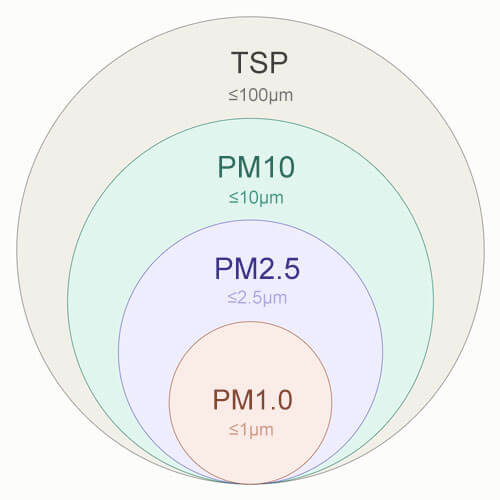
These are tiny solid or liquid particles suspended in the air. The smallest particles, like PM2.5 (particles smaller than 2.5 micrometers), are the most dangerous because they can be inhaled deep into the lungs.
- Dust and dirt: General household dust.
- Soot and smoke: From cooking, burning candles, or using a fireplace.
How to improve indoor air quality?
Improving indoor air quality at home
The home is our sanctuary, but it’s also a primary source of indoor pollutants. Activities like cooking, cleaning, and even the materials our furniture is made of can degrade air quality.
Key pollutants:
- Particulate matter(like PM2.5): Fine particles from cooking, burning candles, smoking, and outdoor pollution.
- Volatile organic compounds (VOCs): Gases emitted from paints, cleaning supplies, air fresheners, new furniture, and building materials.
- Carbon dioxide (CO2): Exhaled by occupants. High levels indicate poor ventilation and can cause drowsiness and headaches.
- Mold & mildew: Thrives in damp areas like bathrooms and basements with humidity levels above 60%.
Ways to improve indoor air quality:
1. Ventilation
Stagnant air traps pollutants. Open windows for at least 15 minutes daily, even in colder weather, to cross-ventilate. Studies show that regular ventilation can reduce airborne pollutant concentrations by over 50%. Use kitchen and bathroom exhaust fans religiously; they can vent up to 100 cubic feet per minute of polluted air.
2. Use air purification equipment
Use high-efficiency particulate air (HEPA) filters in your vacuum cleaner and air purifiers. For your HVAC system, use filters with a MERV (Minimum Efficiency Reporting Value) rating of 13 or higher. A true HEPA filter is certified to capture 99.97% of particles as small as 0.3 microns, including most dust, pollen, mold spores, and bacteria.
3. Control the source
Choose low-VOC or zero-VOC paints and furniture. Store harsh chemicals outside the main living area. Use a range hood that vents to the outdoors when cooking. According to the EPA, concentrations of some VOCs can be up to ten times higher indoors than outdoors.
4. Use indoor air quality monitors
Use a reliable indoor air quality monitor to track key metrics like PM2.5, CO2, and humidity. The recommended indoor CO2 level is below 1,000 ppm (parts per million). Levels above this threshold are directly correlated with a decrease in cognitive performance. Maintaining indoor humidity between 30-50% inhibits mold growth and reduces virus transmission.
Improving indoor air quality in the office
Office environments present unique challenges due to higher occupant density, complex HVAC systems, and a wide variety of materials. Improving office indoor air quality is a direct investment in employee health and productivity.
Key pollutants:
- Carbon dioxide (CO2): High concentrations from many people breathing in enclosed meeting rooms.
- VOCs: Emitted from office equipment (printers, copiers), carpets, and furniture.
- Airborne pathogens: Viruses and bacteria spread more easily in poorly ventilated spaces.
Ways to improve indoor air quality:
1. Optimize HVAC systems
Ensure HVAC systems are regularly inspected and filters are replaced according to manufacturer specifications (typically with MERV-13 or higher). Increase the intake of outdoor air through the HVAC system, balancing with energy efficiency goals. A Harvard University study found that doubling the ventilation rate in an office costs less than $40 per person per year but leads to a productivity increase valued at $6,500 per person per year.
2. Implement smart monitoring
Install a network of professional-grade indoor air quality sensors to continuously monitor CO2, PM2.5, temperature and humidity across different zones. Integrate this data with the Building Management System (BMS) to automate ventilation. Automated, demand-controlled ventilation based on real-time CO2 levels can reduce a building’s energy consumption by up to 30% while ensuring optimal indoor air quality.
3. Choose low-emission materials
Specify healthy materials during construction and renovation. Use low-VOC furniture, flooring (e.g., polished concrete or tile instead of carpet), and paints. Implement a green cleaning program that uses certified non-toxic products. Green Seal and GREENGUARD certified products are tested for chemical emissions and provide a reliable standard for procurement.
Improving indoor air quality on campus
University and school campuses are complex micro-cities with diverse spaces—from crowded lecture halls and dormitories to sensitive laboratories. A campus-wide indoor air quality strategy is essential for student well-being and academic success.
Key pollutants:
- Variable occupancy: Lecture halls have high CO2 spikes, while dorms have humidity and mold risks.
- Chemicals: Science labs, art studios, and maintenance facilities can be significant sources of hazardous VOCs.
- Older infrastructure: Many campus buildings have outdated ventilation systems.
Ways to improve indoor air quality:
1. Zone-specific strategies
Deploy indoor air quality monitoring systems tailored to the needs of each space. Use real-time CO2 data in lecture halls to adjust ventilation. In labs, use specialized sensors to detect chemical leaks and ensure fume hoods are operating correctly. In dorms, focus on humidity monitoring to prevent mold. Research shows a direct link between high CO2 levels in classrooms and lower student test scores and attendance rates.
2. Modernize and retrofit
Prioritize infrastructure upgrades. Develop a long-term plan to retrofit older buildings with modern, energy-efficient HVAC systems equipped with high-MERV filters. In the short term, place portable HEPA filtration units in high-risk areas like nurses’ offices and crowded classrooms. The American Society of Heating, Refrigerating and Air-Conditioning Engineers (ASHRAE) provides specific ventilation standards (like Standard 62.1) for educational facilities that can guide these upgrades.
3. Create a culture of awareness
Make indoor air quality data transparent through public dashboards. Educate students and staff on the importance of indoor air quality and simple actions they can take, such as reporting maintenance issues (like leaks) promptly. Engaging the community in sustainability and health initiatives has been shown to improve the adoption of best practices and lead to a healthier overall environment.
How to test indoor air quality?
This is the most effective and popular DIY method for real-time awareness. These devices contain a suite of sensors to track multiple pollutants simultaneously. A good consumer monitor should measure the “big five” indicators of indoor air quality(PM2.5, CO2, VOCs, Temperature and humidity). The accuracy and quality of these sensors are critical for meaningful data, so choosing a device from a reputable brand with a history in sensor technology is paramount.
Renke is a realible brand for you. Our AQI sensor is powerful and highly accurate. Simply place the monitor in a commonly used room (like a living room or bedroom) at breathing height, away from open windows or vents, for an accurate reading of the air you are inhaling.
2. Specific pollutant test kits
If you have a concern about a specific, invisible pollutant, targeted kits are available.
Radon test kits: You can buy short-term (2-7 days) or long-term (90+ days) test kits. You simply open the package, place the detector in the lowest lived-in level of your home (like a basement or first floor), and after the specified time, mail it to a lab for analysis. The EPA recommends testing for radon in all homes.
Mold test kits: DIY mold kits typically involve a petri dish (settle plate) that you leave out to collect airborne spores. Visual inspection for mold growth or hiring a professional is more effective if you suspect a problem.
3. Professional indoor air quality agency
A professional agency is recommended for complex issues, persistent health symptoms, real estate transactions, or for commercial environments like offices and campuses. An indoor air quality professional or industrial hygienist will first discuss your concerns and conduct a thorough visual inspection of the property and HVAC system.