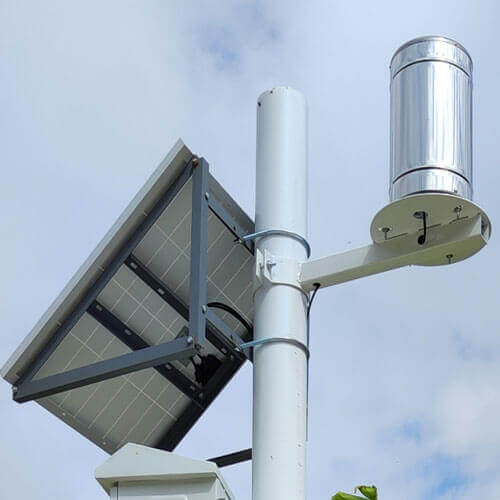
Precipitation is one of the meteorological elements of great importance and the observations of this parameter have a special value in meteorological, hydrological, oceanographic and environmental monitoring, aviation and railway traffic safety. Precipitation is an object of observation and observation instruments must be used to reflect the amount of precipitation in nature and to generate a switching signal of the corresponding amount of precipitation that meets the requirements of information transmission, processing, recording and display. Pluviometers are such observation instruments.
The Role of Pluviometers in Meteorological Observation
The primary elements that are monitored for meteorological research are temperature, humidity, air pressure, wind speed, wind direction, radiation, and rainfall. Precipitation is one of the important indicators for the meteorological monitoring system among them, precipitation can be measured and directly output by the pluviometers, and can output the cumulative precipitation, precipitation intensity, precipitation temporal distribution curve.
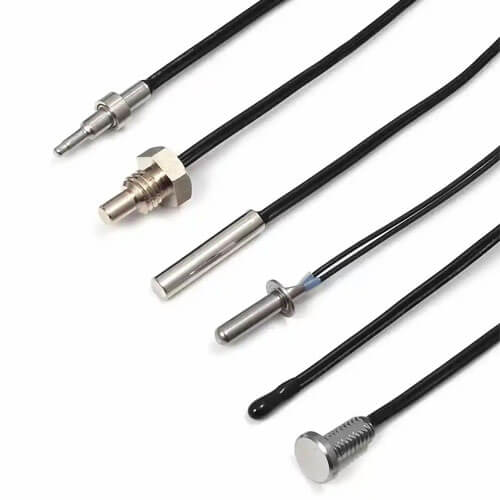
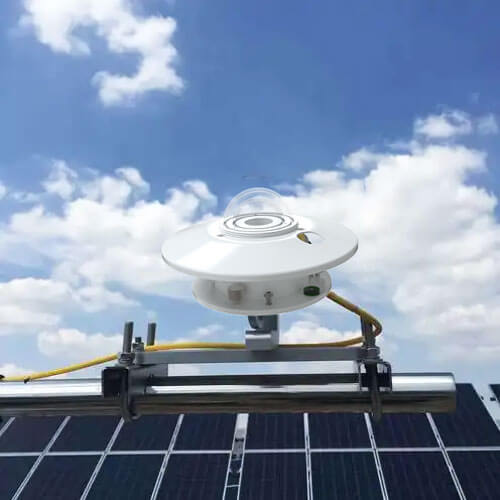
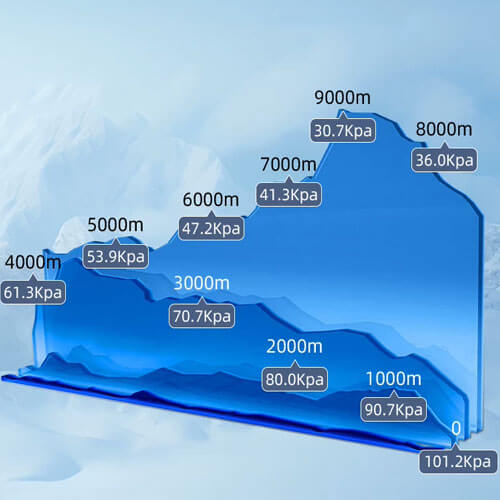
Pluviometers are usually accompanied by temperature and humidity sensors, wind speed sensors, wind direction sensors, atmospheric pressure sensors and solar radiation sensors in meteorological monitoring systems. The temperature sensors work on precipitation detection (rain/snow) and heating control in low temperatures. Wind sensors are used to avoid wind induced errors and to select sites for stations and locations of wind breaks. Probability of rain can be estimated with the help of humidity and atmospheric pressure sensors. Solar radiation sensor are used to compute evapotranspiration and to compare it to precipitation to calculate the regional moisture balance.
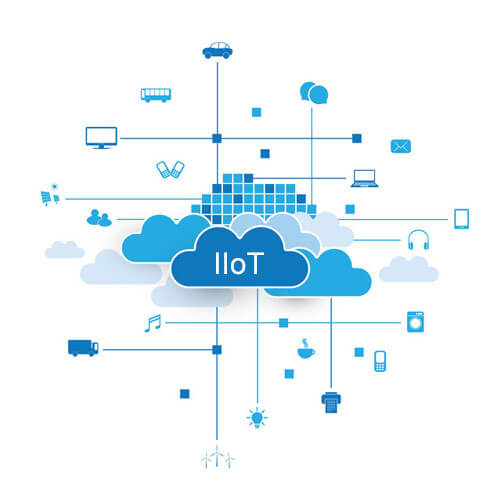
The data from a single pluviometer is not enough by itself, but when combined with other meteorological sensor data and real-time aggregated using an IoT platform, it is definitely possible to create an accurate spatiotemporal distribution map of rainfall.
Pluviometer Measurement Technologies and Their Differences
Traditional pluviometers first collect precipitation and then measure the amount of water collected to calculate the rainfall. Automated pluviometers can acquire rainfall data in real time through mechanical flipping, weight changes, or optical signals.
The technologies vary in their precipitation collection, detection principles, data recording, and adaptability to the environment, causing differences between them in accuracy of measurements, precipitation intensity response, and detection of precipitation events. In this section, we will present three widely used types based on their principles of measuring.
1. Tipping-bucket rain gauge
The tipping-bucket rain gauge is one of the most common devices used to monitor rainfall. Rainwater is channeled through the rain inlet into an internal tipping bucket, which tips over under the weight of the rain. Each time the bucket tips, it triggers a pulse switch, and rainfall is calculated by recording the number of times the bucket tips.
2. Weighing rain gauge
It weighs the total mass of the rain received by a high precision weighing sensor and determines the amount of rain falling by multiplying this mass by the area of the inlet. The weighing rain gauge can be fitted with a heating element to help remove ice and snow, and can record solid and liquid precipitation.
3. Optical rain gauge
These make use of the principle of scattered light for measuring rainfall. It sends out a light beam, captures the light bounced off from the drops of rain and then computes the precipitation based on the number and size of the rain drops.
Since the measurement process of tipping-bucket rain gauges relies on mechanical tipping, the bucket may not have enough time to complete the tipping and drainage under heavy rainfall conditions, resulting in measurement errors. The measurement results of weighing rain gauges may be affected by wind-induced vibrations, equipment vibrations, evaporation, and the stability of the weighing system; therefore, temperature compensation, data filtering, and periodic calibration are typically required. In contrast, the measurements from optical rain gauges are susceptible to the trajectories of raindrops, contamination of the optical window, and environmental interference.
Due to differences in their measurement mechanisms, their performance varies across different environments and measurement media. Tipping-bucket rain gauges are suitable for routine rainfall monitoring; weighing rain gauges can measure solid, liquid, or mixed precipitation simultaneously; and optical rain gauges can provide more detailed precipitation information by analyzing the characteristics of precipitation particles.
Key Rainfall Data Obtained from a Pluviometer
The majority of the pluviometers available in the market offer basic information such as accumulated rainfall, intensity, duration and trends. Some devices may additionally document information like raindrop spectrum and precipitation kind.
1. Accumulated rainfall
Accumulated rainfall is the total amount of precipitation over a period of observation (e.g., minutes/hours/days/months/years) that is typically measured in millimeters (mm). This is the most elementary observation data of pluviometers.
Example: Cumulative rainfall in Nedland during Hurricane Harvey in the USA was 1539 mm, meaning that the total depth of precipitation that was measured across that area during the storm was 1539 mm.
2. Rainfall intensity
Rainfall intensity refers to the amount of rainfall per unit of time, measured in millimeters per hour (mm/h). It reflects the rate and intensity of rainfall and serves as a direct basis for determining the severity of heavy rain and assessing the risk of urban flooding.
Example: On September 1, 2021, Central Park in New York City received 3.15 inches of rain within one hour under the influence of the remnants of Hurricane Ida, which translates to a rainfall intensity of approximately 80 millimeters per hour.
3. Rainfall duration
Rainfall duration is calculated from the timing of rainfall, which includes when rainfall starts and stops, or when it shifts. It can be used to reveal the time distribution of rainfalls, to analyze the frequency and pattern of rainfalls in a certain area, and also for time correlation with other meteorological parameters like temperature, humidity and wind speed.
4. Rainfall trends
Rainfall data from pluviometers are recorded continuously over a period of time, and thus, a complete record of the rainfall process is obtained. The data is displayed as the start and end time, duration, peak time, and fluctuations in intensity, thus furnishing data support for meteorological research and hydrological analysis.
Example: In the 48 contiguous states of the United States, rainfall has increased by an average of 0.17 inches per decade (or 4.3 mm per decade), so there has been a slow increasing trend in rainfall across the United States as a whole since 1901.
Factors Affecting Pluviometer Measurement Accuracy
1. Environmental factors
- Wind: Strong winds can affect tipping bucket and weighing rain gauges by causing the rain drops to deviate from the fall trajectory, thereby not entering the collection inlet and thus giving an understated amount of rainfall. Solid precipitation is most susceptible to wind influences.
- Evaporation: When it is hot, evaporation will decrease the amount of water in the container following light rainfall. Also, the walls of dry rain gauges can absorb some rain water causing lower readings.
- Temperature: Low temperatures will freeze rain water in mechanical rain gauges, and stop the tipping bucket from turning. Optical rain gauges may get frost on their surface, which interferes with both the infrared light emission and reception.
- Dust and leaves: Rain water collection may be contaminated with dust, leaves, insects and other debris picked up by dust and/or sand storms, which may lead to inaccurate measurements. In addition, dirt on the optical rain gauge surface influences the emission of Infrared light, which also affects the accuracy of the measurement.
2. Equipment factors
- Principles and resolution: Different types of pluviometers use different measurement mechanisms, and their measurement resolution and dynamic response capabilities also vary. The higher the resolution, the greater the proportion of a single raindrop relative to a measurement increment; however, this actually results in a larger cumulative error.
- Manufacturing and performance: The inner diameter of the rain inlet of the tipping bucket rain gauge is generally: Φ200±0.6mm, the outer cutting edge angle is generally required to be 40°-45°. The amount of rain flowing into the meter will be affected by non-standard inlet diameter or worn cutting edge. High manufacturer optical algorithm calibration capabilities are required for optical rain gauges.
- Maintenance and calibration: Wear and drift of mechanical components, drift of sensor zero, and changing measurement parameters over time may result in data deviations; maintenance/calibration. If the measurement method employed at the pluviometers is of the collection type, it is important to keep the inlet and the drainage channel clean to reduce measurement errors.
3. Installation factors
- Location selection: Pluviometer should be placed in a clear, flat site, free of obstructions. Natural run off of rain water will be impeded by obstructions, and will cause errors due to measurement. Installation in the vicinity of buildings can cause some precipitation to be diverted by the building or generate air flow interruption around the building which will lead to inaccurate rainfall readings. The ideal installation site is where there are no obstacles above 2 meters within 10 meters of the rain gauge.
- Installation and fixing: The installation height of the pluviometer also will influence the accuracy of the measurement. Too high installations can be disturbed by stronger winds, too low installations by ground splashes, water collection or vegetation. Moreover, the bottom of the device should be secured to avoid the tilting of the device because of ground subsidence or weak supports.
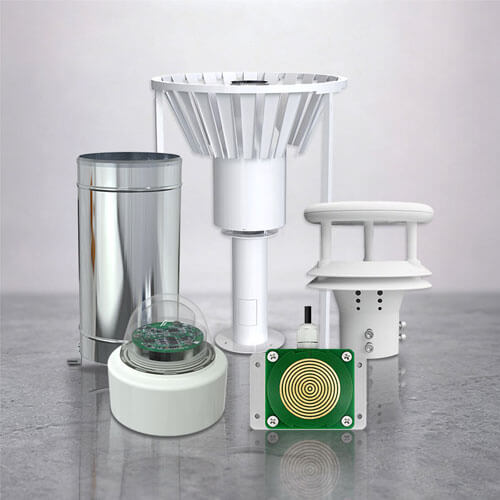
Internal structure of Renke double tipping bucket rain gauge
Applications of Pluviometers
Meteorological observation
Rainfall data are collected at meteorological stations with pluviometers, which are standard equipment and are used to collect accurate rainfall data for weather forecasting, climate research, and other uses. They aid meteorologists in understanding rainfall patterns and the trend of climate change at various locations.
Hydrology and flood control
Continuous and accurate rainfall data can be used for flash flood warnings, reservoir scheduling, and urban flood control. It offers a scientific foundation to the water conservancy departments in water resources management and flood control and disaster reduction.
Agricultural irrigation
Farmers can use data from pluviometers to plan irrigation effectively, reducing the frequency and volume of irrigation when rainfall is sufficient, and irrigating promptly during droughts to ensure normal crop growth. Irrigation guided by rainfall data can save approximately 15%-20% more water than traditional methods.
Aviation and transportation
Rainfall information is utilized at airports for runway airworthiness, and to aid in takeoff and landing decisions. In the country, pluviometers are also located on highways and in ports to gauge the effects of rainfall.
Which type of rain gauge is the most accurate?
Weighing rain gauges have more all-encompassing measurement capabilities than other types of rain gauge, and are thus especially well suited for measuring precipitation continuously, heavy rainfall, and solid precipitation. Although tipping bucket rain gauge may underestimate during heavy rain, the measurement error associated with weighing rain gauge can be evaluated by dynamic calibration.
How should a pluviometer be set up?
As an example, a tipping bucket rain gauge:
- Fixing the base: attach the base to a cement base or bracket with expansion bolts.
- Assembly: Ensure correct installation of metering & counting tipping buckets. Once installed, inspect smoothness and jamming of the tipping.
- Wiring: Switch off the power before working. Properly plug in the power and signal wires (in RS485 models, make sure that A/B are not reversed).
- Calibration: Slowly add some clean water to the rain collector to simulate rain and make sure the data receiver is accurate (usually within ±10%).
How is rainfall intensity calculated?
Rainfall intensity = Cumulative precipitation / Rainfall duration (time) = Rainfall per unit of time. A widely-used measurement unit is mm/h.
Which rain gauge is best for a weather station?
Tipping bucket rain gauges are usually the most practical and widely used choice.
What should I consider when buying a rain gauge?
Choosing the right accuracy
The accuracy of the measurement of a rain gauge directly influences the accuracy of the data. The accuracy needed depends on the application: For weather stations, products with 0.1mm accuracy are recommended, for agriculture stations products with 1mm accuracy are acceptable. When buying, be sure to review the product specifications so that you know what it will do for you. For instance, if a product has an “error ≤ ±0.5%”, it has a higher accuracy, in general.
Determining the usage environment
Rain gauges can be metal or plastic. Metal-cased rain gauges will be more durable and resilient to rusting, while plastic-cased rain gauges will be lighter, but could become distorted with extended sunshine exposure. Stainless steel is recommended for outdoor application and ABS engineering plastic should be used for short-term or indoor application. Also, the amount of tilt the container is given (typically 45°) will influence the measurement.
Considering maintenance costs
Tipping bucket rain gauges need periodic cleaning of the collection funnel and drainage channels and a check for jamming, wear, or other counting errors in the tipping bucket. Stability of the weighing sensor, changes in zero points, cleanliness of the container to collect the rain water are all items of interest when weighing rain gauges. Simplicity of dismounting, cleaning and calibration of equipment has a direct effect on long term operating costs.

This article was written by the Renke Technical Team at Shandong Renke Control Technology Co., Ltd., specializing in environmental sensing and meteorological monitoring. With expertise in rainfall measurement, rain gauge performance evaluation, and automated weather monitoring systems, the team provides practical technical insights into precipitation measurement and its applications.