
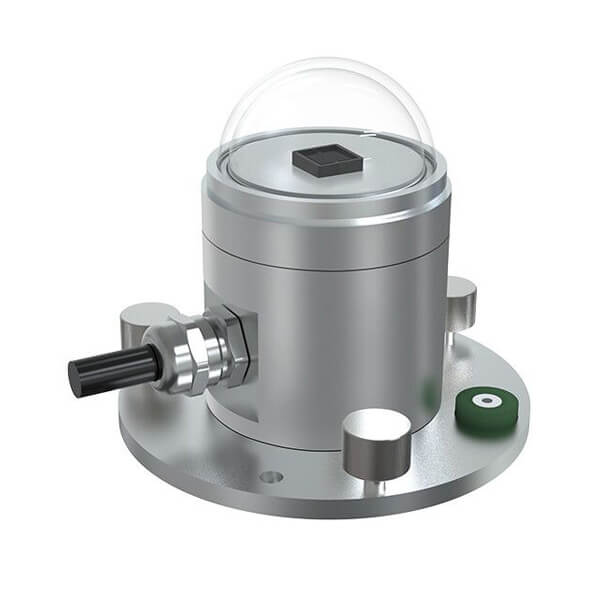
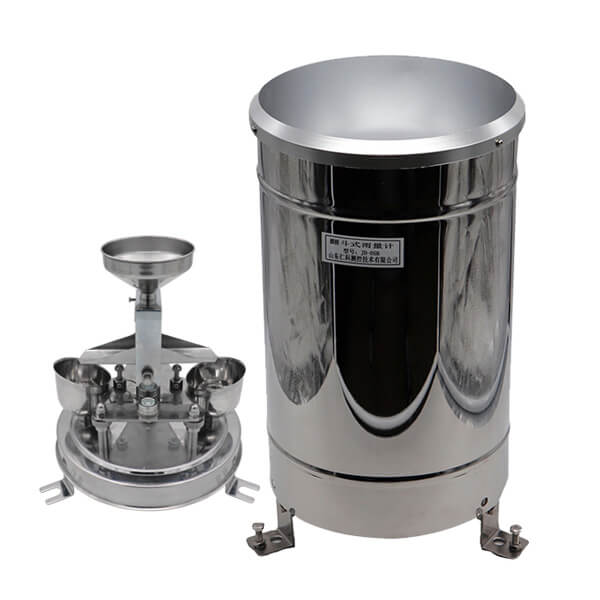
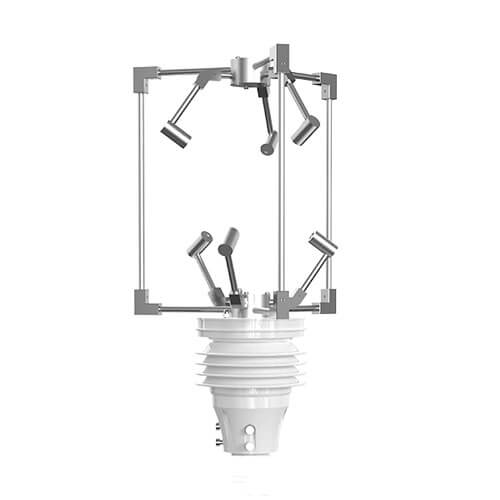
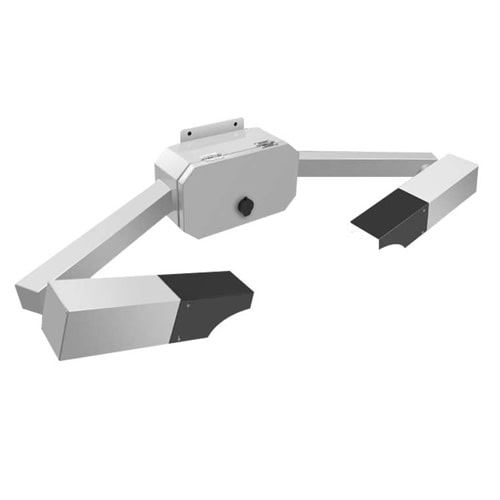



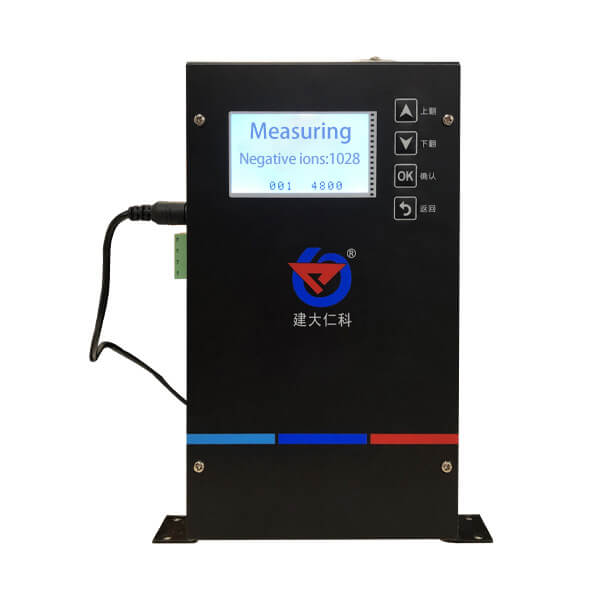
The weather sensors are the sensing end of the weather station and collect various weather-related data. The weather station can obtain the main parameters and
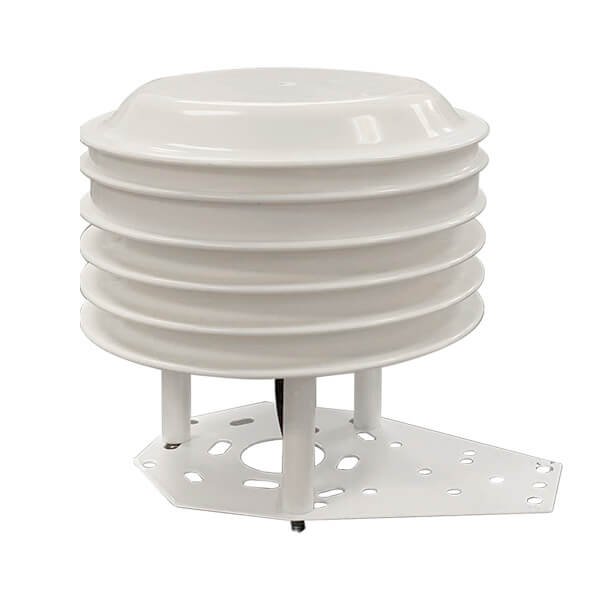
Solar Radiation Shield
This radiation shield is commonly used in weather stations to protect meteorological sensors from direct sunlight and rain exposure. Designed with densely distributed ventilation openings, it ensures accurate and reliable measurement results by maintaining proper airflow. A single solar radiation shield can integrate multiple sensors, including the temperature and humidity sensor, light sensor, noise sensor, barometric pressure sensor, PM2.5 & PM10 sensor, and CO₂ sensor, etc.
- Model: RS-BYH-M-T
- MOQ: 1 PCS
- Delivery date: within 24 hours
- Price: $27~$101
About - Solar Radiation Shield
When used outdoors, this radiation shield protects built-in sensors from direct solar radiation and ground-reflected heat. Made of high-strength, UV-resistant materials, it ensures long-term performance even in rain, snow, strong winds, or harsh outdoor environments. Its low thermal conductivity effectively minimizes measurement errors caused by sunlight exposure, providing accurate and stable sensor readings in all weather conditions.
Features
This outdoor solar radiation shield is a high-quality protective device designed to safeguard temperature, humidity, and barometric pressure sensors from solar radiation and precipitation, ensuring accurate and reliable measurements.
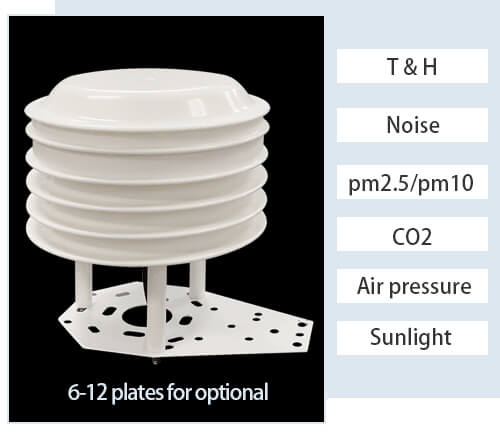
The unique structure allows air to circulate freely while effectively preventing the intrusion of dust, insects, rain, and snow. Users can flexibly integrate various internal sensors such as temperature, humidity, pressure, noise, light, CO2, PM2.5, and PM10 sensors.
Featuring robust construction, high flexibility, low thermal conductivity, and strong UV resistance, this radiation shield is ideal for long-term use in harsh outdoor environments.
Advanced technology
Air can flow freely through the shield to ensure that the sensor works normally with accurate data in a ventilated environment. The combination of panel geometry, sturdy materials, and natural ventilation can achieve effective shielding. It also supports the integration of various sensors. Even in direct sunlight, the Renke solar radiation shield can accurately measure the current ambient temperature.
Long using life
The geometric design of our radiation shield can protect the sensor from all directions. The durable waterproof shell is made of high-quality anti-ultraviolet materials and has a long service life. The highly sensitive sensor provides stable signals and high accuracy. Different plates can be selected according to different places of use. There are 6~12 plates that can be chosen. Ease to installation.
Parameters
| DC power supply | 10-30VDC | |
| Maximum power consumption | RS485Output | 0.8W |
| Measure Range | Temperature | -40℃~+120℃ |
| Humidity | 0%RH~99%RH | |
| Illumination | 0~200000Lux | |
| Atmospheric pressure | 0-120Kpa | |
| Noise | 30dB~130dB | |
| PM10 PM2.5 | 0-1000ug/m3 | |
| CO2 | 0-5000ppm | |
| Accuracy | Temperature | ±0.5℃(25℃) |
| Humidity | ±3%RH(60%RH,25℃) | |
| Illumination | ±7%(25℃) | |
| Atmospheric pressure | ±0.15kPa@25℃101kPa | |
| Noise | ±0.5dB(at reference pitch, 94dB@1kHz) | |
| PM2.5 | ±3%FS(@0~100μg/m3, 25℃, 50%RH) | |
| CO2 | ±(50ppm+3%F·S) (25℃) | |
| Long-term stability | Temperature | ≤0.1℃/y |
| Humidity | ≤1%/y | |
| Illumination | ≤5%/y | |
| Atmospheric pressure | -0.1kPa/y | |
| Noise | ≤3dB/y | |
| PM10 PM2.5 | ≤1%/y | |
| CO2 | ≤1%/y | |
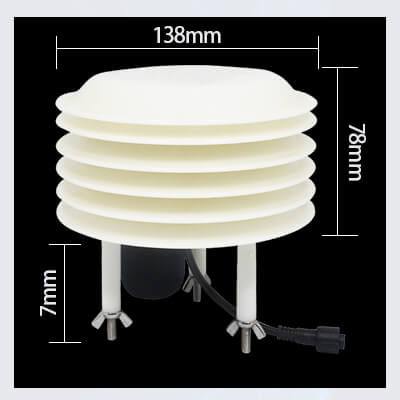
| Types of plates | 4, 6, 8, 12(other plates can be customized) | |
| Material | Special engineering plastics against radiation & Stainless steel screw | |
| Operating temperature | -40℃-+75℃ | |
Advantages
1. Improve measurement accuracy by shading and allowing air circulation.
2. High protection grade IP68, durable waterproof material, can be used normally in bad weather.
3. Good compatibility, multiple sensor modules can be stored inside, so a variety of meteorological parameters can be measured.
4. The integrated bracket and keyhole are easy to install and can be installed on flat and curved surfaces.
FAQs - Solar Radiation Shield
Which sensors can be integrated into the radiation shield?
Our radiation shield can be equipped with a variety of sensors, including temperature and humidity sensors, barometric pressure sensors, light sensors, noise sensors, PM2.5 & PM10 sensors, or carbon dioxide (CO2) gas sensors.
Note: The PM2.5 & PM10 sensor and the CO2 sensor cannot be installed in the same radiation shield. If you need to monitor both parameters simultaneously, please purchase separate shields for each sensor type.
How to wire?
Brown wire: Power supply positive (+10~30VDC)
Black wire: Power supply negative (GND)
Yellow wire: RS485-A
Blue wire: RS485-B
Where to install solar radiation shield?
To get more accurate readings, you can install the sensor at a height of 9 feet from the ground.
What type of plastic material is the Acurite Radiation Shield made of? e.g ABS plastic? Styrene?
Our solar radiation shield is made out of ABS.
How to install a solar radiation shield?
1. The solar radiation shield is installed on the weather station and can be directly fixed with expansion screws through the bracket.
2. The solar radiation shield is installed on a wall, pole, or other location, and can be installed by bending the plate.
How to view data?
For a single radiation shield, data can be uploaded to the user’s own software by connecting the device through Renke’s RS485-to-USB converter.
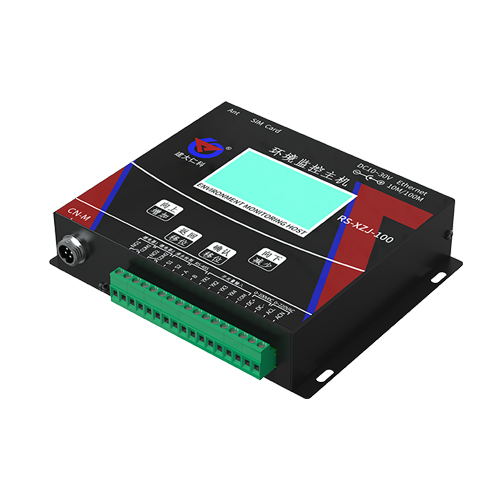
For multiple radiation shields, all units can be centrally connected to Renke’s environmental monitoring host, which collects, processes, and uploads the data to Renke’s free cloud platform for remote monitoring and management.
Where to use solar radiation shield?
The radiation shield is widely used in various occasions that need to measure environmental temperature and humidity, noise, air quality, atmospheric pressure, and illumination. It is safe and reliable, beautiful in appearance, easy to install, and durable.
Smart Agriculture
Smart Cities
Smart Buildings
Weather Stations
Other Environmental
Monitoring Applications
Why can’t the radiation shield connect to a PLC or computer?
Possible causes include:
1. Incorrect COM port selection on the computer.
2. Device address error or duplicate device addresses (default address is 1).
3. Incorrect baud rate, parity, data bit, or stop bit settings.
4. Polling interval and response time too short—set both to at least 200 ms.
5. RS485 bus disconnected or A/B wires reversed.
6. Too many devices or excessive wiring length—provide local power, add an RS485 repeater, and use 120Ω terminal resistors.
7. USB-to-RS485 driver not installed or corrupted.
8. The device itself is damaged.
Are the gaps thru the sides small enough to keep wasps from building nests?
Yes, the ventilation gap is small enough to allow only air to circulate and no insects are allowed to enter.
Related Blogs
A greenhouse is a closed environment that provides optimal conditions for plant growth and promotes plant growth by controlling indoor and outdoor environments. A complete
Table of Contents What is IoT? IoT is the “Internet of things“. It is an extended and expanded network based on the Internet. It combines
The weather station can provide users with comprehensive weather information over the years. Regular maintenance of weather stations is an important operation to ensure measurement
What is temperature and humidity sensor? Temperature and humidity sensors refer to equipment that can convert temperature and humidity into electrical signals which can be
A complete set of a weather station is composed of two parts: hardware and software. The hardware part includes various weather station sensors, connecting lines,
Table of Contents Do you know where to mount weather station? The weather station should be installed as far as possible on the open ground
Table of Contents A sensor is a device that can sense the measured information and transform it into an electrical signal or other required forms