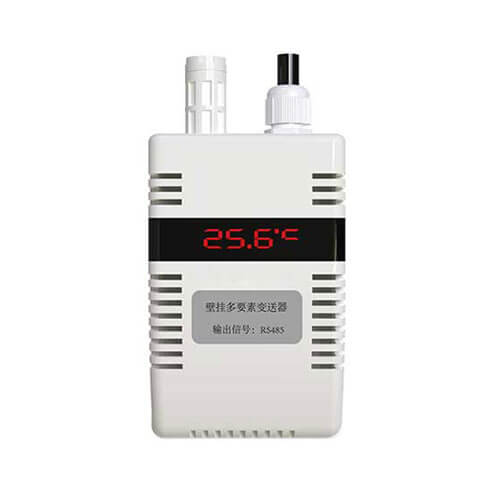
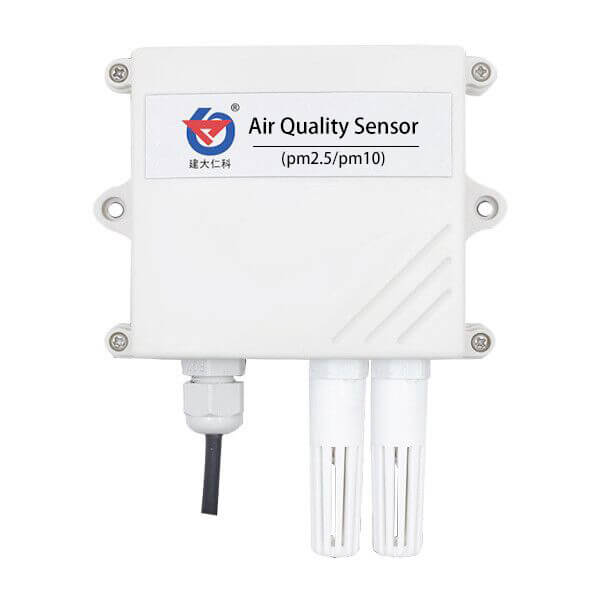
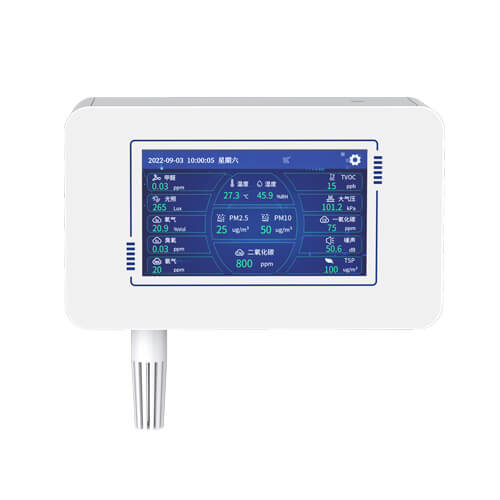
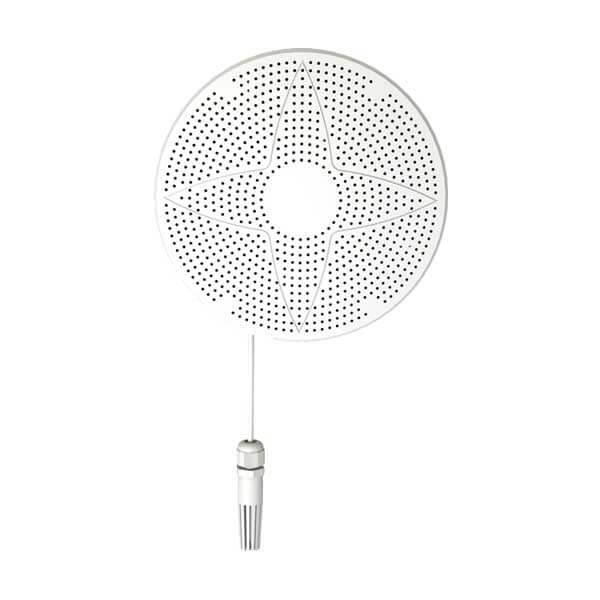
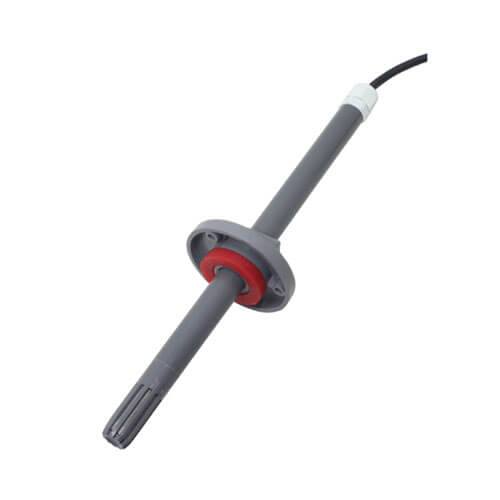
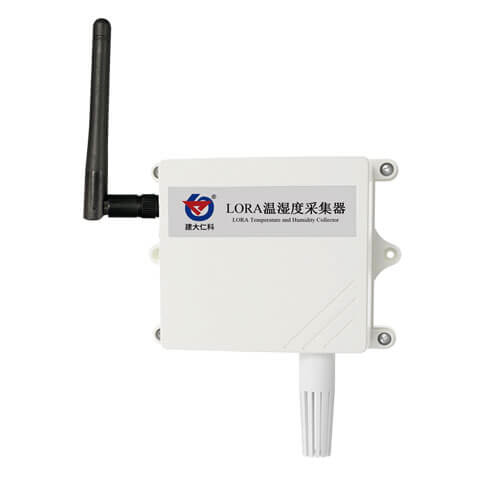
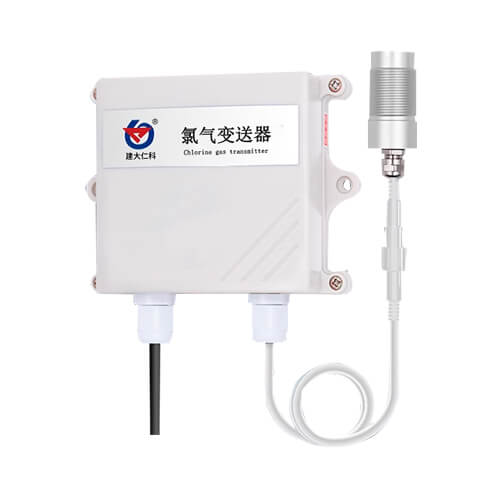
This particulate matter sensor offers flexible configuration based on user requirements. It can operate as a single parameter sensor to monitor PM2.5, PM10, or temperature and humidity, or as a 3 in 1 sensor that simultaneously measures temperature, humidity, and PM2.5(optional CO₂ or atmospheric pressure). Featuring multiple output options and low power consumption, this transmitter is widely used in industrial facilities, traffic tunnels, and haze monitoring applications.
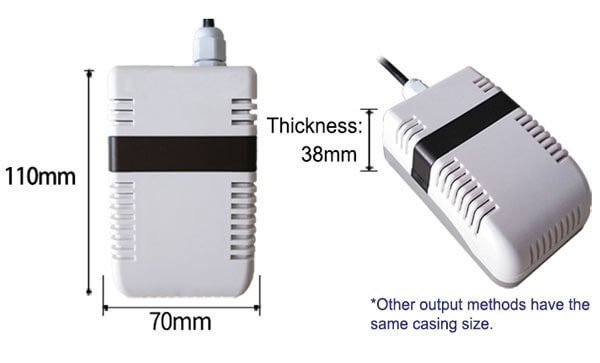
This particulate matter sensor features a compact structure and a simple, elegant appearance. It integrates a high precision sensing element, providing excellent accuracy and high sensitivity. The enclosure is constructed from high density materials and incorporates an all around heat dissipation design, ensuring outstanding long term stability. Designed for wall mounted installation, the device is easy to deploy, durable, and reliable for long term operation. RS485 and analog output options are available to meet different application requirements.
Install the particulate matter sensor in a rain protected environment. Mount it vertically on a wall at a 90 degree angle to the ground, ensuring the ventilation opening faces directly downward to prevent water ingress.
Place the sensor in a well ventilated location. Do not install it in corners or enclosed areas, as this may slow the response time and affect measurement accuracy.
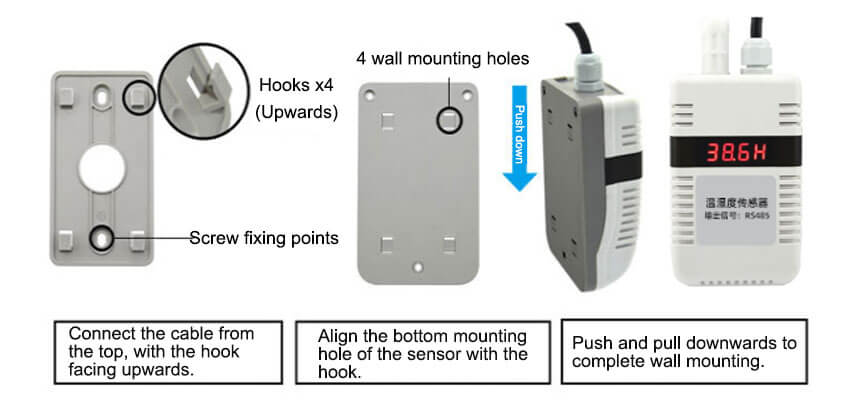
Drill two holes with a diameter of 5 mm in the wall. Insert expansion plugs into the holes, then secure the mounting plate using M3x25 self tapping screws. After fixing the mounting plate, align the mounting holes at the bottom of the device with the hooks and slide the device downward to complete the installation.
Wiring
When wiring the RS485 output particulate matter sensor, ensure the wiring sequence is not reversed. When connecting multiple devices to the RS485 bus, make sure each device has a unique communication address. Example: brown wire–power positive, black wire–power negative, yellow wire–485A, blue wire–485B.
Wiring for the analog output particulate matter sensor is simple. Connect the wires to the designated terminals of the device. The sensor supports both three wire and four wire connection methods and is supplied with a four core cable by default. The factory standard cable length is 0.6 m. Example: brown wire–power positive, black wire–power negative, blue wire–temperature or PM10 signal positive, green wire–temperature or PM10 signal negative, yellow wire–humidity or PM2.5 signal positive, white wire–humidity or PM2.5 signal negative.
Table of Contents In the field of gas monitoring, carbon dioxide gas concentration is a critical parameter. CO2 sensors are used in industrial, agricultural,
Table of Contents In the fields of electrical engineering and electronics, we frequently encounter various analog signals such as voltage and current. In nature,
Table of Contents Gas leaks pose serious dangers in residential environments, including potential fire hazards, explosions, and adverse health effects. This article provides a
Table of Contents The commonly used communication method for data acquisition and control is RS-485. RS-485 is a general communication standard. It can not
Air is a precious natural resource. But air pollution is increasing due to industrial production and human activities. At present, air pollutants include carbon