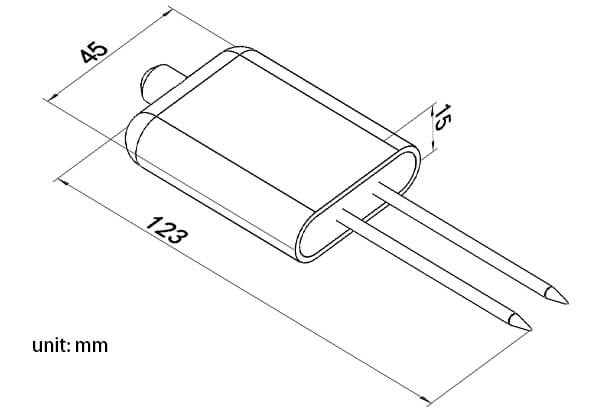
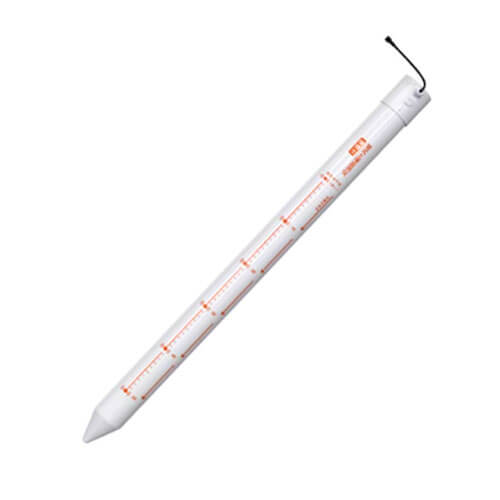
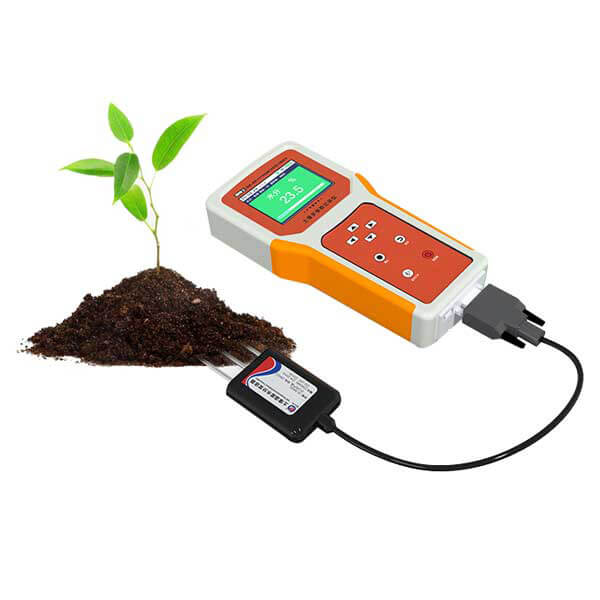
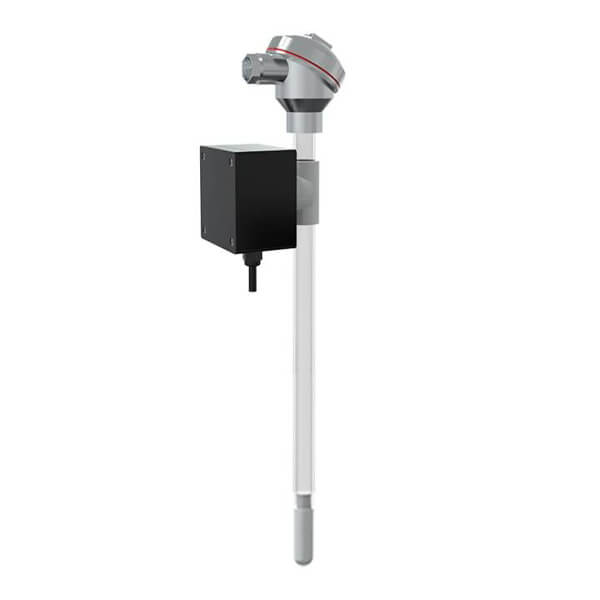
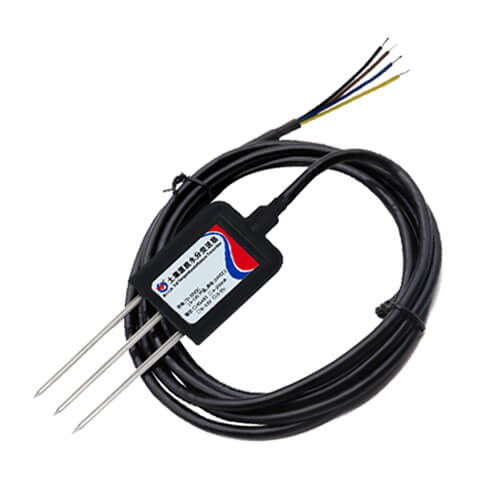
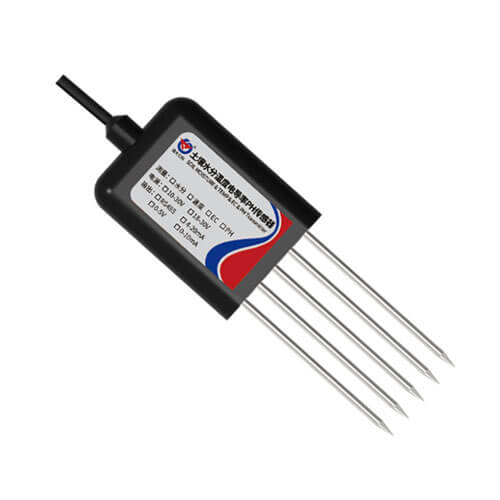
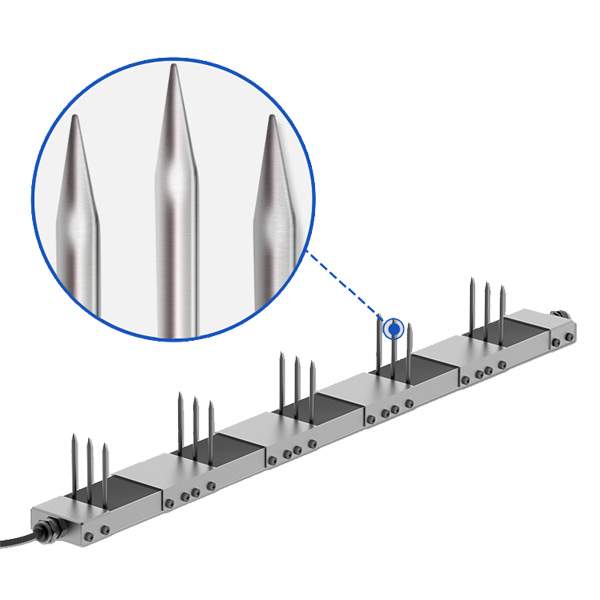
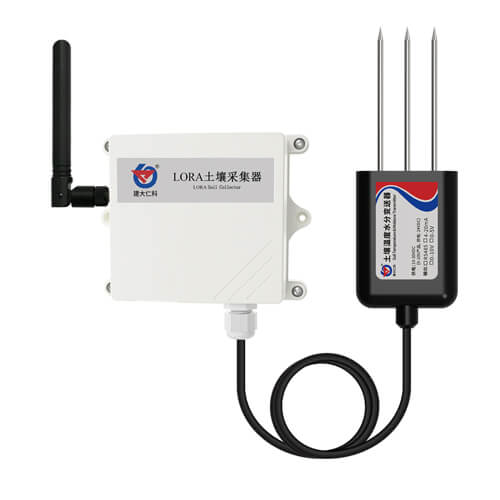
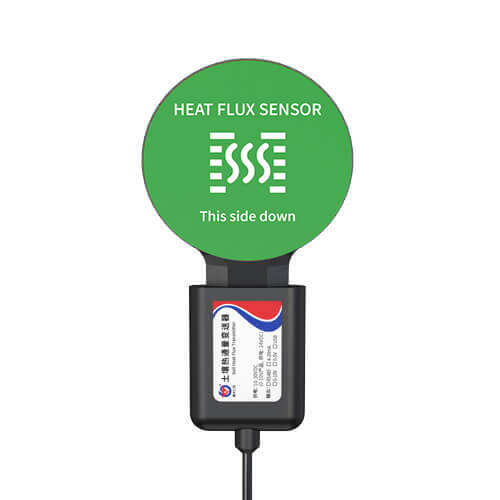
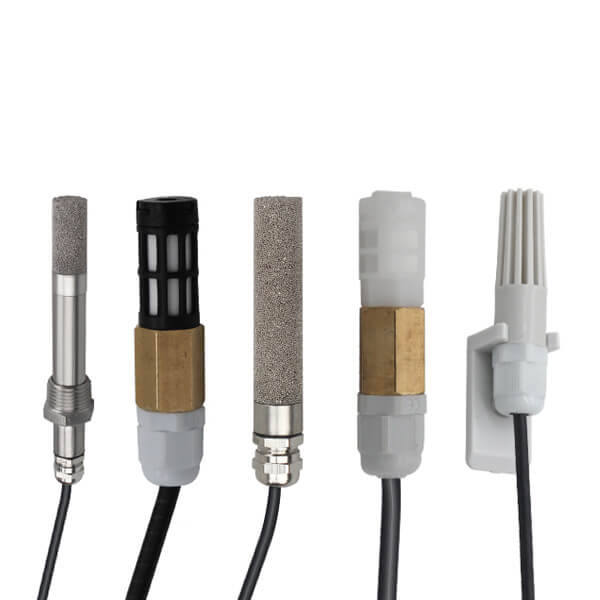
The soil pH sensor is a device that measures the current pH of the soil. It detects the pH value of the soil by inserting two stainless steel probes vertically into the soil. We offer rs485 soil ph sensor, 0-5V soil ph sensor, 0-10V soil ph sensor, and 4-20ma soil ph sensor. This sensor can be used with our soil analyzer.
Soil ph refers to the current pH of the soil, which plays an important role in the growth of plants. Plants can grow normally in a wide range, but various plants have their suitable pH. Reasonable control of the soil pH value is conducive to the healthy growth of crops.
Features
The Renke soil pH sensor is simple to use, has few operating steps, does not need to add reagents, and does not limit the number of detections.
The measurement accuracy of the sensor is high and the response speed is very fast.
The electrode is made of specially treated alloy material, which can withstand strong external impact and is not easy to damage.
The sensor shell is completely sealed, resistant to acid and alkali corrosion, and can be buried in the soil for long-term detection.
The probe plug-in design ensures accurate measurement and reliable performance.
You can check the data through the free cloud platform offered by us.
RS-PH-*-TR-1-T is a soil pH sensor independently developed by our company. This sensor features high accuracy, fast response, and strong stability, making it suitable for various soil types. The sensor housing is vacuum-potted, ensuring waterproofing and corrosion resistance, and it can be buried in soil for long-term use. This soil pH sensor is widely applied in agriculture, forestry, and geological research for soil acidity and alkalinity detection.
Datasheets
Power supply
DC 5~30V
Max. power consumption
0.5W (RS485), 0.4W (Analog)
Measure range
3-9 pH
Resolution
0.1
Operating temperature
-20°C~60°C
Long-term stability
≤5%/year
Response time
≤10s
Stabilization time
≤5min
Protection rating
IP68
Probe material
Specially designed, corrosion-resistant electrode
Seal material
Black flame-retardant epoxy resin
Output signal
RS485/4-20mA/0-5V/0-10V
Use
When using the soil pH sensor for the first time, it is necessary to repeatedly insert and remove it in the soil several times to remove the oxide film from the probe surface.
Insertion measurement
Select an appropriate measurement location, avoiding stones to ensure the steel needles do not hit hard objects. Dig away the topsoil according to the required measurement depth, hold the sensor firmly, and insert it vertically into the soil. Do not shake it from side to side during insertion. It is recommended to take multiple measurements at one point and calculate the average value.
Buried measurement
Dig a vertical pit with a diameter greater than 20 cm. At the designated depth, insert the sensor’s steel needles horizontally into the pit wall. Do not shake the sensor during insertion. Refill and compact the soil firmly. After stabilizing for a period of time, long-term remote measurements can be carried out.
Precautions for Use
The measurement area of the soil pH sensor is defined as a cylindrical volume with a diameter of 5 cm, centered between the two probes, and having the same height as the probes.
During measurement, the probes of the soil pH sensor must be fully inserted into the soil.
When used outdoors, take precautions against lightning strikes.
Do not forcefully bend the probes, pull the sensor lead wires, drop, or strongly impact the sensor.
Due to the presence of RF electromagnetic radiation in the air, the sensor should not remain powered on in the air for extended periods.
Calibration should be performed before each measurement. For long-term use, calibration is recommended once a month. The calibration frequency should be adjusted according to different application conditions (such as soil type, moisture content, salinity, and pH level).
The weather sensors are the sensing end of the weather station and collect various weather-related data. The weather station can obtain the main parameters and
Soil nutrients are the basis for plant growth. Just like human beings eat, they obtain various nutrients for the body’s growth and development through the
Soil moisture sensors are also known as soil moisture meters. It is mainly used for measuring soil volumetric water content, monitoring soil moisture, agricultural irrigation,
Introduction of the agricultural production environment monitoring system: The agricultural production environment monitoring system is composed of greenhouse environment monitoring and park environment monitoring. It