Professional Environment Monitoring Sensors Manufacturer

Integrated pH Electrodes

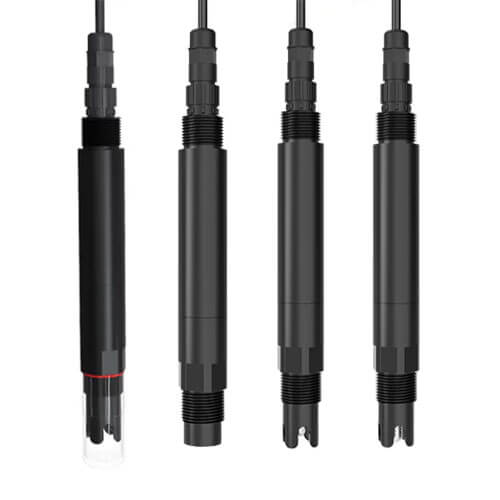
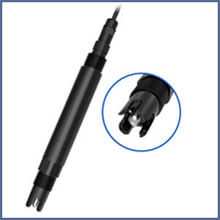
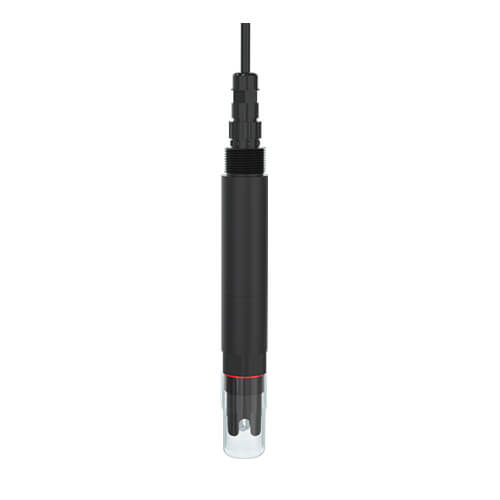
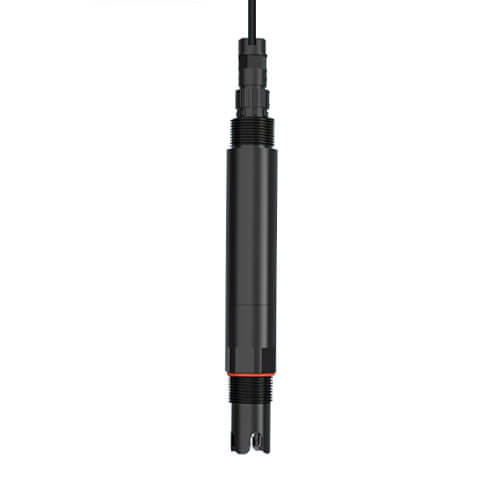
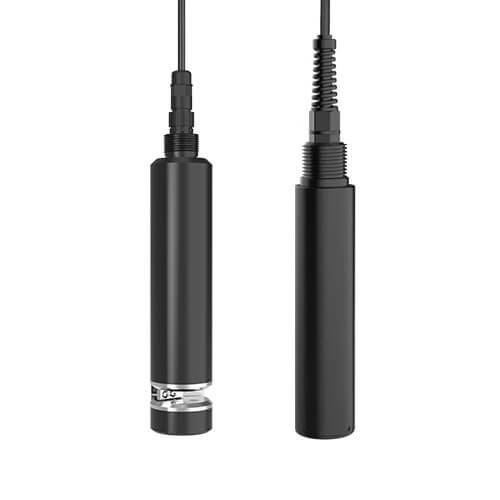
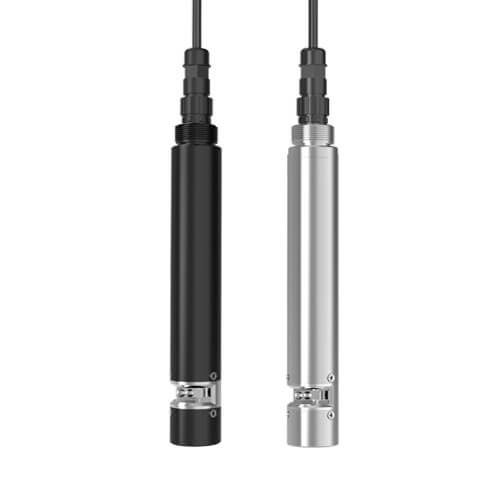
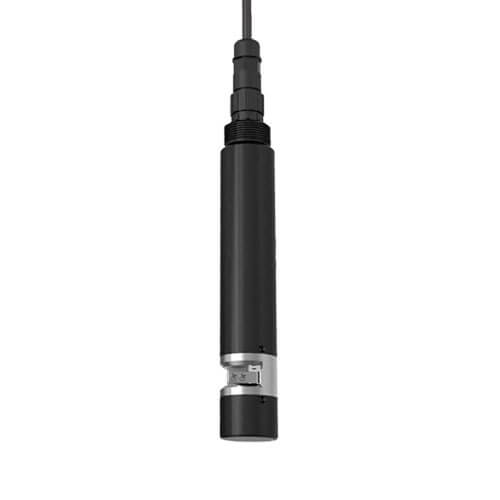
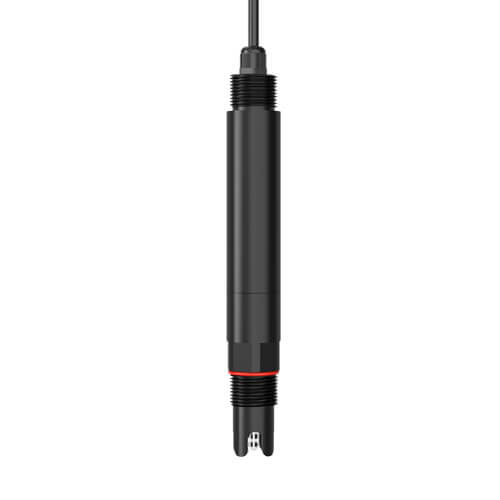
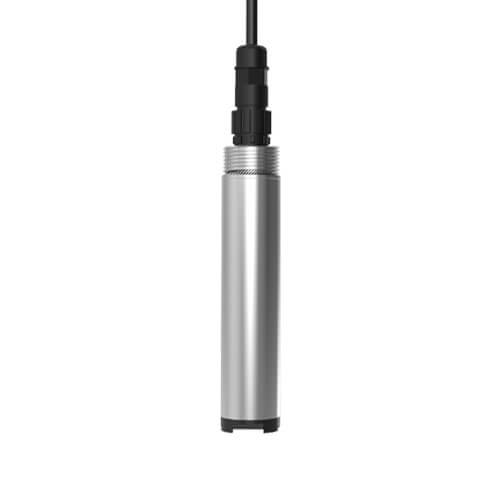
Our integrated pH electrode is combination probe that integrate a composite electrode, a reference electrode, and a temperature sensor, providing accurate, temperature-compensated pH readings. Currently, we offer four types of pH electrodes to suit various applications: combination pH electrodes, desulfurization pH electrodes, electroplating pH electrodes, and antimony pH electrodes.

  • Model: RS-PH-N01-3-*-EX
  • MOQ: 1 PCS
  • Delivery date: within 24 hours
  • Price: $50.3~$63

View - Renke pH Electrodes

Our pH sensor is a device designed to measure the pH value (hydrogen ion concentration index, acidity or alkalinity) of a solution. It features built-in automatic temperature compensation, and users can switch between automatic and manual temperature compensation as needed. Our pH electrode features a one-piece design, offering a simple structure and ease of use. With an IP68 waterproof rating, it is suitable for long-term use submerged in water. Currently, it is widely used in industrial wastewater, domestic sewage, agriculture, and aquaculture applications. Below are the types and features of our integrated pH electrodes to help you select the best option for your specific application.

Integrated pH electrode types

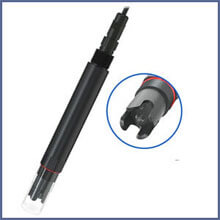
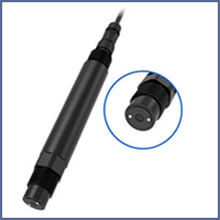
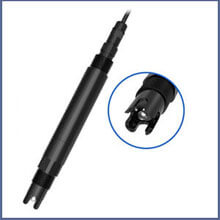
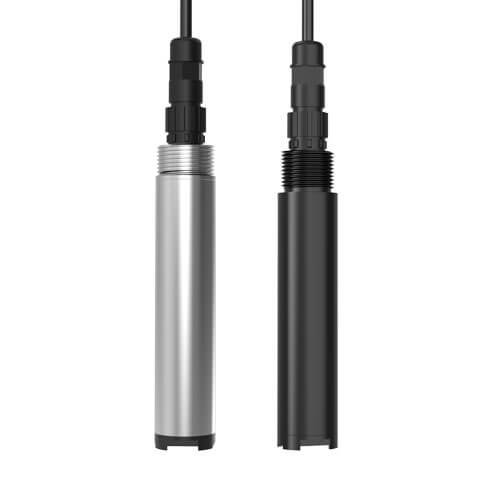
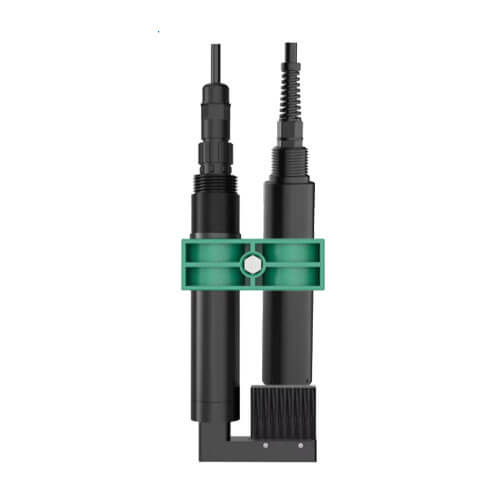
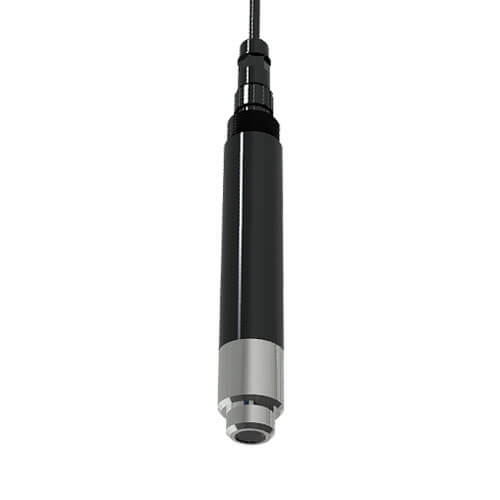
ImageCombination pH Electrode Desulfurization pH Electrode Electroplating pH Electrode Antimony pH Electrode
NameCombination pH ElectrodeDesulfurization pH ElectrodeElectroplating pH ElectrodeAntimony pH Electrode
ModelRS-PH-N01-3-201T-EXRS-PH-N01-3-202T-EXRS-PH-N01-3-204T-ERS-PH-N01-3-206T-EX
Range0~14 pH0~14 pH0~14 pH0~14 pH
Temperature range0~60℃0~60℃0~60℃0~60℃
Withstand voltage0.6MPa0.6MPa0.6MPa0.6MPa
Temperature compensationYesYesYesYes
Internal resistance (25°C)≤250MΩ≤250MΩ≤250MΩ/
Zero potential7±0.27±0.27±0.27±0.2
Theoretical percentage slope (%)≥95≥95≥95≥95
ApplicationsSuitable for non-corrosive weak acid and weak alkali environmentsSuitable for pH testing in desulfurization and denitrification processes and viscous liquidsSuitable for pH measurement of electroplating wastewaterSuitable for environments with robust electrodes or containing hydrofluoric acid solutions
Price$50.3$63$63$63

Integrated pH electrode parameters

Power supplyDC 7~30V
Power consumption0.3W
Communication interfaceRS485, standard ModBus-RTU protocol. Communication baud rate: Default 4800 (1200, 2400, 4800, 9600, 19200, 38400, 57600, 115200 adjustable)
pH measurement range0~14.00PH, Resolution: 0.01PH
pH measurement error±0.15PH
Repeatability error±0.02PH
Temperature measurement range0~60℃, Resolution: 0.1℃ (Set temperature during manual temperature compensation, default 25℃)
Temperature measurement error±0.5℃
Component temperature resistance0~+80℃
Waterproof ratingIP68
Pressure resistance0.6MPa
Cable lengthDefault 5m (Other lengths can be customized)
Electrode service life6~12 months

Our pH electrodes feature 3/4 NPT threads at both ends. For submersible applications, they can be used with a waterproof tube by threading the electrode through the interior of the discharge pipe; the 3/4-inch thread at the top of the electrode should be connected to the 3/4-inch thread on the waterproof tube using PTFE tape. Ensure that no water enters the electrode leads inside the waterproof tube. For pipe installation, the electrode can be connected directly to the pipe via its 3/4-inch thread.

Integrated pH electrode wiring

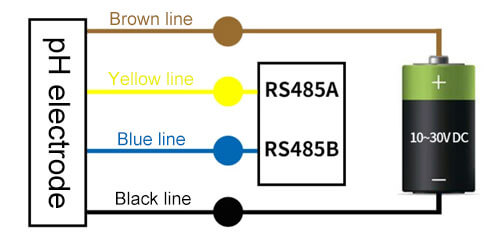
Our integrated pH sensor uses RS485 signal output. The lead wire is a four-core wire, with colors of brown, black, yellow, and blue, corresponding to positive power supply, negative power supply, 485-A, and 485-B, respectively. Be careful not to reverse the positive and negative terminals.

Renke RS485 product wiring diagram

Integrated pH electrode usage and maintenance

Integrated pH electrodes generally do not require routine maintenance. If a noticeable malfunction occurs, please do not disassemble the electrode yourself; instead, contact our technical staff. The specific maintenance steps are as follows:

1. The protective cap at the front of the pH sensor contains an appropriate amount of soaking solution. The electrode tip is immersed in this solution to maintain the activation of the glass bulb and the liquid junction. To use the electrode, loosen the cap, remove the electrode, rinse it with pure water, and it is ready for use.

2. When the electrode is not in use, it should be immersed in the electrode storage solution to maintain its activity. If stored dry for an extended period, it must be soaked in clean water to reactivate it before use. The specific soaking time should be determined based on on-site conditions and actual requirements.
Preparation of the electrode soaking solution: Take one packet of pH 4.00 buffer, dissolve it in 250 mL of pure water, then add 56 g of analytical-grade potassium chloride. Heat gently and stir until completely dissolved. Alternatively, a 3.3 M potassium chloride solution may be used for soaking; simply dissolve 25 grams of analytical-grade potassium chloride in 100 milliliters of distilled water.

3. During use, ensure that the glass bulb at the tip of the electrode does not come into contact with hard objects, as any friction or damage will cause the electrode to fail. Before measurement, remove any air bubbles from the electrode’s glass bulb; otherwise, the measurement will be affected. During measurement, place the electrode in the solution to be tested, stir briefly, and then allow it to settle to accelerate the response.

4. Clean the electrode with deionized water before and after each measurement to ensure accuracy.

5. Prolonged use of a pH sensor can cause passivation, resulting in reduced sensitivity, slow response, and inaccurate readings.

For non-metallic electrodes: Soak the lower bulb of the electrode in 0.1 M dilute hydrochloric acid for 24 hours (to prepare 0.1 M dilute hydrochloric acid: dilute 9 mL of hydrochloric acid with distilled water to 1000 mL), then soak it in a 3.3 M potassium chloride solution for 24 hours. If the electrode is severely passivated and soaking in 0.1M hydrochloric acid is ineffective, the bulb end of the electrode can be soaked in 4% HF (hydrofluoric acid) for 3-5 seconds, rinsed with pure water, and then soaked in a 3.3M potassium chloride solution for 24 hours to restore its performance.

For antimony electrodes: Sand the metal tip with fine sandpaper until a metallic luster appears to restore performance.

6. Contamination of the glass bulb or blockage of the liquid junction can also affect the electrode’s sensitivity. In such cases, select an appropriate cleaning solution based on the nature of the contaminant, for example:
Inorganic metal oxides: Clean with a dilute acid solution below 1 M concentration.
Organic oils and grease: Clean with a mild alkaline detergent solution.
Resin and polymer deposits: Clean with alcohol.
Protein deposits or blood residues: Clean with an acidic enzyme solution.
Pigments and dyes: Clean with a dilute bleach solution or hydrogen peroxide solution.

7. The service life of the electrode is 6 to 12 months; replace it with a new one promptly once it has aged. Calibrate the equipment before each use. For long-term use, calibration is recommended every 3 months; the calibration frequency should be adjusted appropriately based on the specific application (e.g., the degree of water contamination, chemical deposits, etc.).

Related Blogs

Top 3 Types of Water Quality Parameters

Table of Contents Water quality parameters are indicators used to assess the condition and trends of aquatic environments. Monitoring is essential for various water sources

Why and How to Measure Water pH?

Table of Contents What do pH Mean in Water? The water pH is an important indicator of its acidity or alkalinity. pH (Potential of Hydrogen)

Update cookies preferences