
Table of Contents Cooling towers are the core of water-cooling systems and are responsible for heat dissipation. When sunlight and temperature conditions are favorable,
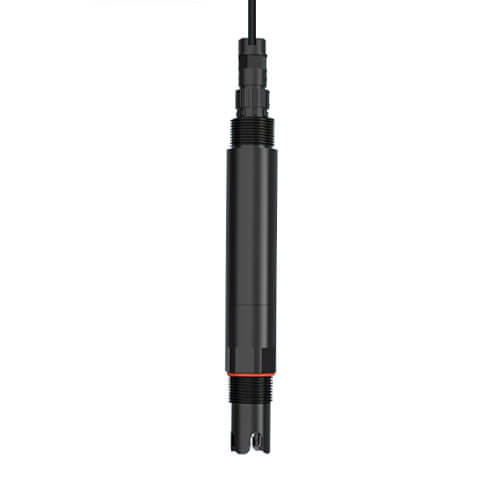
Multi-Parameter Water Quality Probe
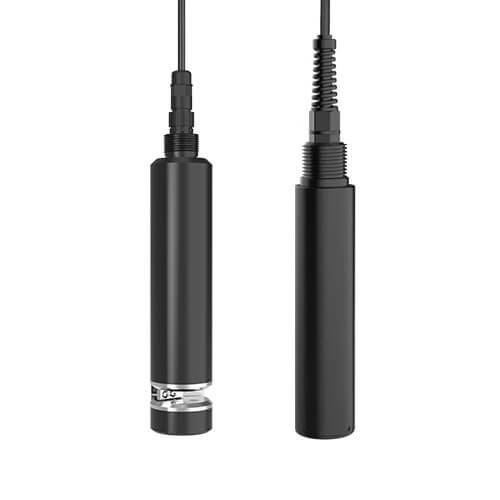
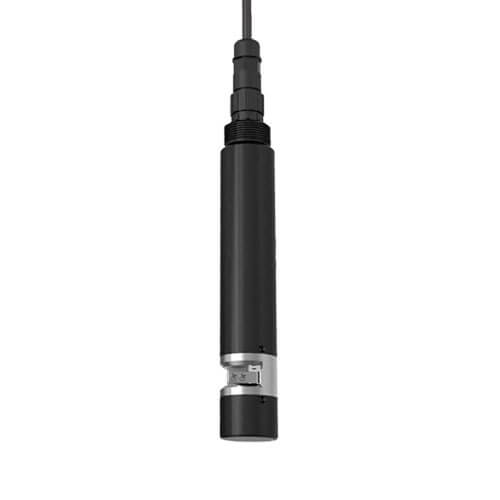
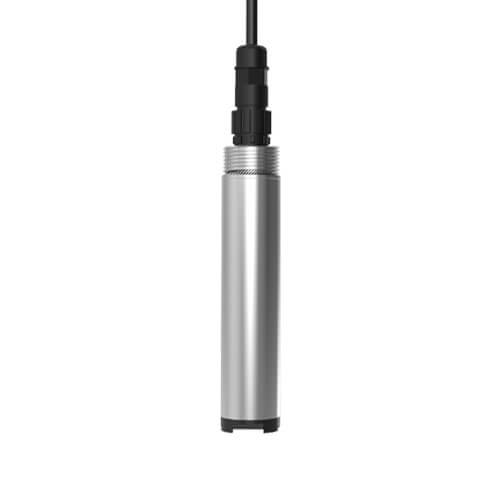
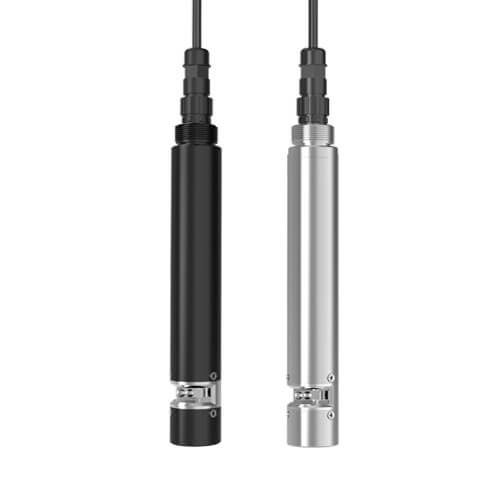
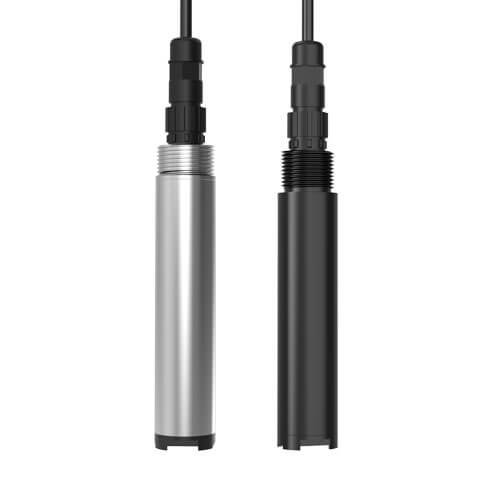
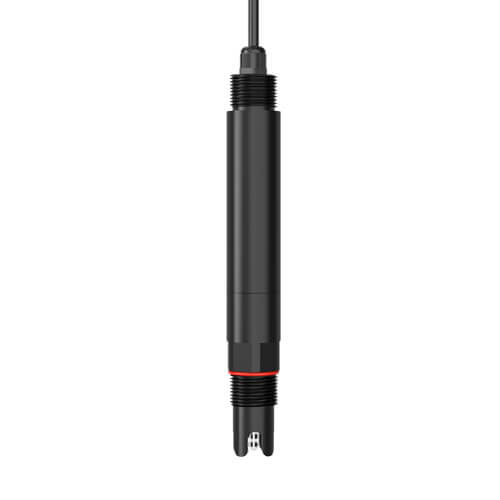
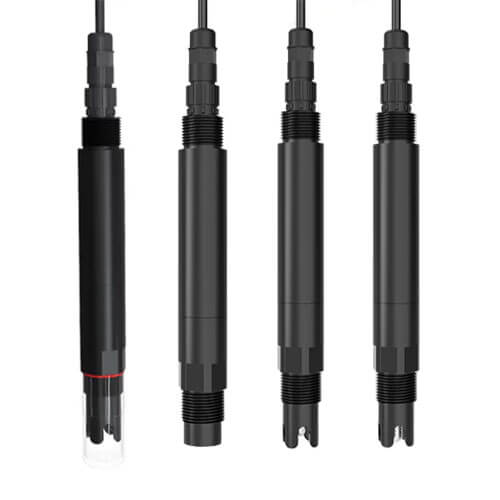
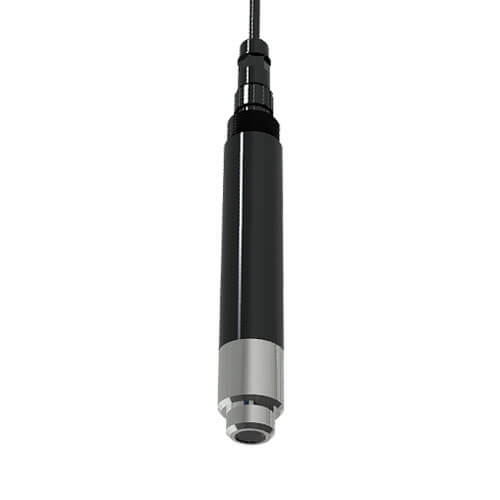
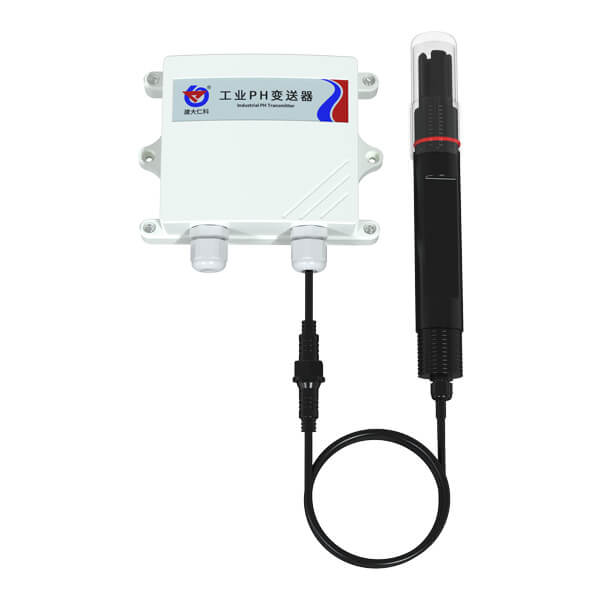
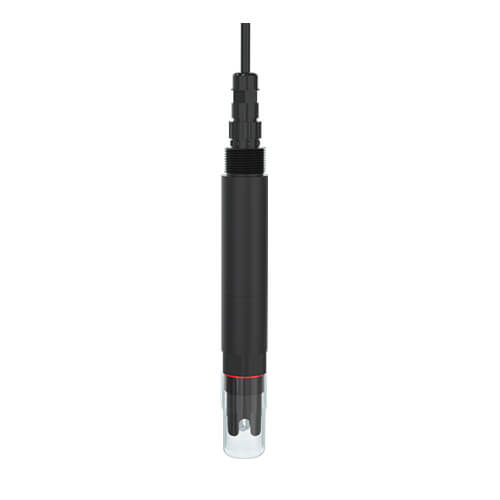
This multi parameter water quality probe features an integrated structural design that combines measurement modules for pH, electrical conductivity, temperature, salinity, and TDS with a built in signal processing unit. The design is simple yet highly functional. It includes automatic temperature compensation and offers protection up to IP68, making it suitable for long term use in water quality monitoring systems.
- Model: RS-PHEC5-N01-3-*-T
- MOQ: 1 PCS
- Delivery date: within 24 hours
- Price: $118
Renke Multi-Parameter Water Quality Probe
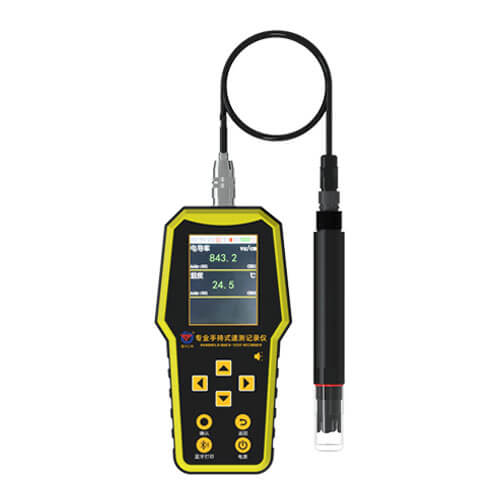
This 5 in 1 multi-parameter water quality probe can simultaneously measure five key parameters: pH, electrical conductivity, temperature, salinity, and TDS. It integrates functions that would normally require multiple probes into a single unit. This design simplifies the configuration of water quality monitoring systems, reduces installation space, and lowers the complexity of coordinating multiple sensors. By installing just this one probe, you can obtain all five essential water quality parameters at once, significantly improving monitoring efficiency. It can be used with our portable water quality analyzer.
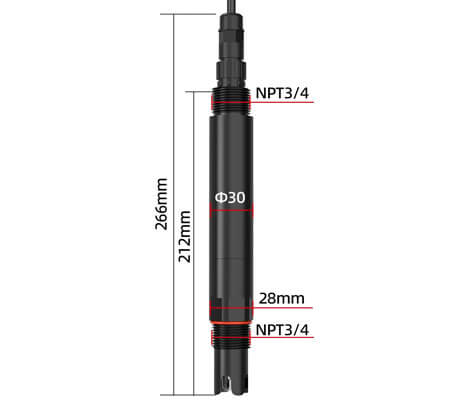
Features
This pH/EC/Salinity/Temp/TDS multi-parameter water quality probe features temperature compensation and supports both automatic and manual modes, which can be switched as needed. It adopts an integrated housing design with a compact structure and is easy to use. The probe has an IP68 protection rating and can be fully immersed in water during operation.
Each unit is strictly calibrated before leaving the factory and can be used immediately upon delivery without the need for additional calibration. This multi-parameter water quality probe is suitable for a wide range of applications, including industrial wastewater, domestic wastewater, agriculture, and aquaculture, particularly in non corrosive, mildly acidic or mildly alkaline environments.
Parameters
| Power supply | DC 7~30V |
|---|---|
| Power consumption | ≤0.4W |
| pH range | 0~14.00pH, Resolution: 0.01pH |
| pH error | ±0.15pH |
| Conductivity range | 1~2000μS/cm (K=1), Resolution: 0.1μS/cm; 10~20000μS/cm (K=10), Resolution: 1μS/cm |
| Conductivity error | ±1%FS |
| Salinity range | 0~1000ppm (K=1), 5~11476ppm (K=10) |
| TDS range | 0~1100ppm (K=1), 5~13400ppm (K=10) |
| Temperature range | 0~80℃, resolution: 0.1℃ (The set temperature is used for manual temperature compensation; the default is 25℃) |
| Temperature error | ±0.5℃ |
| Temperature compensation range | -5℃~+80℃ (default manual compensation temperature: 25℃) |
| EC temperature compensation coefficient | Default 0.02 |
| Component temperature resistance | -20℃~+80℃ |
| Operating environment | 0~80℃ (non-freezing) |
| Protection class | IP68 |
| Pressure resistance | 0.6MPa |
| Cable length | Default 5m (customizable) |
Model
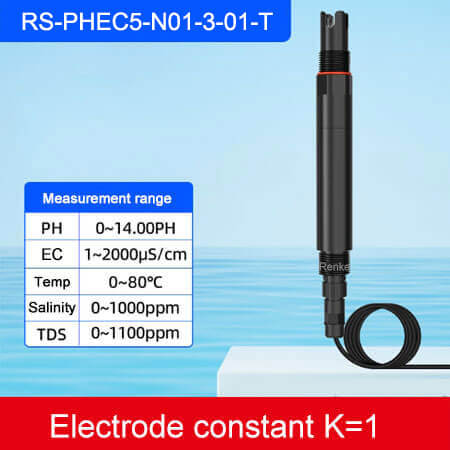
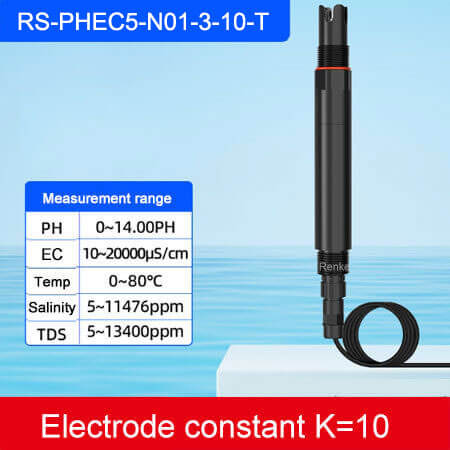
Select the appropriate conductivity standard solution based on the purchased model. For a water quality probe with electrode constant k=1 and a range of 1~2000 μS/cm, use a 1413 μS/cm standard solution. For a water quality probe with electrode constant k=10 and a range of 10~20000 μS/cm, use a 12880 μS/cm standard solution.
Prepare two pH standard buffer solutions with different values. For measuring acidic solutions, use pH 4.01 and 6.86 buffers. For alkaline solutions, use pH 6.86 and 9.18 buffers. For general applications, use pH 4.01 and 9.18 buffers.
pH calibration:
- At room temperature (around 25°C), place the water quality probe into the buffer solution with the lower pH value (for example, use 4.01 when using 4.01 and 9.18 buffers). Gently shake the electrode to speed up the response. Make sure the sensing part of the electrode is fully immersed and that no air bubbles are attached. After the reading stabilizes, follow the register instructions and communication examples in the manual to complete the first point calibration.
- After completing the first calibration, rinse the water quality probe and gently remove excess water with tissue or a soft cloth. Do not damage the glass bulb of the electrode, as this will cause failure. Then place the electrode into the buffer solution with the higher pH value (for example, 9.18). Once the reading stabilizes, follow the instructions in the manual to complete the second point calibration.
Conductivity calibration:
At room temperature (around 25°C), place the electrode into the standard solution and gently shake it to speed up the response. Ensure that the sensing part is fully immersed and free of air bubbles. After the conductivity reading stabilizes, follow the register instructions and communication examples in the manual to complete the calibration.
There is a proper amount of soaking solution inside the protective cap at the front end of the multi-parameter water quality probe. The pH electrode is immersed in this solution to keep the glass bulb and liquid junction active. Before measurement, loosen the protective cap, remove the electrode, and rinse it with pure water before use.
Preparation of the electrode soaking solution: dissolve one packet of pH 4.00 buffer reagent in 250 mL of pure water, then add 56 g of analytical grade potassium chloride. Heat gently on an electric stove and stir until completely dissolved. Alternatively, a 3.3 M potassium chloride solution can be used. To prepare this, dissolve 25 g of analytical grade potassium chloride in 100 mL of pure water.
The glass bulb at the front end of the probe must not come into contact with hard objects. Any damage or abrasion will cause the electrode to fail.
Before measurement, shake off any air bubbles inside the glass bulb, as they will affect accuracy. During measurement, fully immerse the electrode in the solution and allow it to stand still to remove bubbles from the surface and stabilize the response.
The electrode should be cleaned with deionized water before and after each measurement to ensure accuracy.
After long term use, the pH electrode may become passivated, which results in reduced sensitivity, slower response, and inaccurate readings. In this case, immerse the lower glass bulb in 0.1 M dilute hydrochloric acid for 24 hours (to prepare 0.1 M HCl, dilute 9 mL of hydrochloric acid to 1000 mL with distilled water), then soak it in 3.3 M potassium chloride solution for another 24 hours. If passivation is severe, immerse the glass bulb in 4% hydrofluoric acid for 3 to 5 seconds, rinse thoroughly with pure water, and then soak it in 3.3 M potassium chloride solution for 24 hours to restore performance.
Cleaning of the pH electrode: inorganic metal oxides can be cleaned with dilute acid below 1 M; organic oils can be removed using a mild alkaline detergent; resin or polymer residues can be cleaned with alcohol; protein deposits can be removed using an acidic enzyme solution; and pigments can be cleaned with dilute bleach or hydrogen peroxide.
Cleaning of the conductivity electrode: organic contaminants can be removed using warm water with detergent. Calcium and magnesium deposits are best cleaned with 10% citric acid. The electrode plates or rods should only be cleaned using chemical methods or by gently shaking in water. Do not wipe the electrode surface, as this may damage the coating, such as platinum black, on the electrode.
The multi-parameter water quality probe should be calibrated before each use. For long term operation, calibration and maintenance are recommended every three months. The frequency should be adjusted based on actual conditions, such as the level of contamination and chemical deposition in the application environment.
Related Blogs
Table of Contents Maintaining an ideal pH range in an aquarium is a difficult yet vital task. Because pH levels that are too high
Table of Contents Dissolved Oxygen (DO) indicates the oxygen in water that has been dissolved. It is measured in terms of mass (in milligrams
Table of Contents In various fields such as water quality monitoring, drinking water safety, and marine research, total dissolved solids (TDS), electrical conductivity (EC),
Table of Contents Water quality parameters are indicators used to assess the condition and trends of aquatic environments. Monitoring is essential for various water
Table of Contents In wastewater treatment projects, it is essential to monitor water quality at every stage to ensure that the treated water meets
Table of Contents What do pH Mean in Water? The water pH is an important indicator of its acidity or alkalinity. pH (Potential of
Table of Contents What is conductivity in water? Conductivity in water is the ability of water to conduct electricity. It is primarily related to
Table of Contents Water is the source of life, integral to every aspect of human production and daily living. In many scenarios, ensuring health