
Whether you have just moved into a new home or want to gain a deeper understanding of the safety and purity of your household drinking water, it is essential to know how to conduct water quality testing. Although a wide range of home water testing kits are available on the market, these products are often costly and require long shipping times, making them less suitable for everyday household monitoring.
This article introduces several methods of water quality testing at home without the need for specialized equipment. These simple approaches can help provide a preliminary assessment of potential levels of bacteria, magnesium, nitrates, nitrites, and residual chlorine in your water, offering valuable reference points for ensuring the safety of household drinking water.
Why is water quality testing important?
1. Protecting health
Heavy metals in water (such as lead and mercury), bacteria (such as E. coli), and chemical contaminants (such as pesticide residues and residual chlorine) can pose long-term health risks, particularly for children, pregnant women, and the elderly. Water quality testing helps identify potential hazards, reducing the risk of chronic poisoning or gastrointestinal illness.
2. Improving taste
Sometimes drinking water may have a rusty taste, a strong chlorine odor, or leave heavy scale deposits after boiling—signs of possible water quality issues. By testing tap water, you can identify the cause and choose the most suitable purification solution.
3. Protecting household equipment
Poor water quality can silently “erode” your household assets. Hard water, when heated, generates large amounts of scale. This buildup can clog showerheads and faucets, reduce water heater efficiency, and significantly shorten the lifespan of appliances such as coffee machines, dishwashers, and electric kettles.
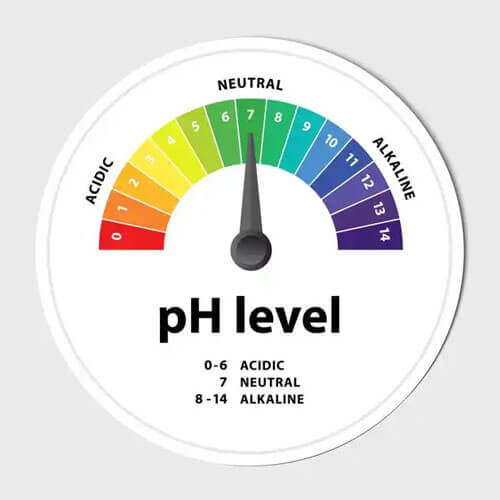
Moreover, if the water’s pH level is imbalanced, it may corrode metal pipes, leading to leakage risks and releasing metals such as lead and copper into the water, causing secondary contamination.
How to test water quality at home without a kit?
Water quality testing - Color
Healthy drinking water should be colorless, odorless, and transparent. When small amounts of impurities are present, the water’s color may change slightly, but such variations are often difficult to detect with the naked eye. A simple preliminary testing method can be performed at home. You can take a piece of clean gauze, place a small amount of white PP cotton filter material or clean cotton inside, and secure it at the faucet outlet, ensuring the water flows through at a slow rate. Thanks to their fluffy, porous structure, PP cotton and cotton can effectively trap suspended particles and certain impurities.
After 3 to 5 days of normal water use, remove the gauze and check the PP cotton or cotton inside. If noticeable discoloration or sediment buildup is observed, it indicates that the water may contain impurities or contaminants. At this stage, it is advisable to use a professional water testing kit to further analyze the composition, enabling a more accurate assessment of water safety.
Water quality testing - Odor
In daily life, poor water quality often first reveals itself through unusual odors. Clean and safe drinking water should be colorless and odorless. However, when water contains residual chlorine, sulfides, iron, manganese, or organic matter, it may develop pungent, metallic, foul, or even musty smells. Therefore, simply smelling the water can provide a quick indication of its quality.
When sampling tap water with a glass, it is recommended to keep the rim of the glass slightly away from the faucet to minimize interference from impurities or microorganisms that may adhere to the faucet outlet. After collecting the water, gently swirl the glass and then smell the sample to determine whether any noticeable odor is present. A pungent smell—especially one resembling residual chlorine—may indicate a higher-than-normal chlorine concentration.
Additionally, heating or boiling the water can serve as a supplementary check. During heating, part of the residual chlorine will be released. If the odor remains strong even after boiling, it suggests that the tap water contains a significant amount of residual chlorine, which is an important indicator when evaluating household water quality.
Water quality testing - Impurities
Not all contaminant particles can be detected with the naked eye, but sensory checks and visual observation can serve as an initial screening of drinking water quality. While this method cannot replace standardized laboratory testing, it is valuable for identifying abnormalities and evaluating the effectiveness of water purification.
To begin, fill a clean, transparent glass with tap water. When sampling, let the water run for 30 to 60 seconds and discard the initial flow. Then, slowly fill the glass with the midstream sample. Place the glass in a well-lit area and carefully observe whether any fine suspended matter or unidentified particles are visible. For greater accuracy, a magnifying glass may be used. This direct visual inspection is the most basic form of water quality testing. If noticeable suspended impurities or sediment appear in the glass, this may indicate a potential water quality issue.
For further verification, leave the glass undisturbed for about three hours and re-examine it. If sediment forms at the bottom or suspended particles remain visible, it suggests that the water contains a high level of impurities and may indicate more serious quality concerns. At this point, it is advisable to use professional water quality testing equipment or laboratory analysis to accurately determine the nature and concentration of impurities and assess whether the water meets drinking safety standards.
Water quality testing - Hardness
Water hardness refers to the total concentration of dissolved calcium and magnesium ions in a sample. Hard water is common in daily life and may cause a variety of inconveniences and impacts, such as:
- Chalky stains forming on tableware, bathroom fixtures, and countertops.
- Soap scum and residues in areas where soap is used, such as showers and sinks.
- Scale buildup inside household water pipes, leading to reduced water pressure.
- A drying effect on the skin when washing hands, bathing, or doing dishes, along with reduced lathering efficiency of soap and detergents.
A simple way to test water hardness at home is through the evaporation residue method. Collect a spoonful of tap water in a clean glass, place it in a well-ventilated but dust-free environment, and let it sit for 24–48 hours until the water has fully evaporated. Afterward, carefully inspect the glass. The presence of white spots or sticky residues on the bottom or walls indicates high levels of calcium and magnesium ions, suggesting a hard water issue.
Another option is the boiling method. Pour about one cup of tap water into a clean kettle or small pot, heat uncovered until boiling, and continue heating until most of the water has evaporated. Then, turn off the heat and let the container cool naturally. Once dry, gently touch the bottom surface. If you feel grainy, sticky, or chalk-like deposits, it suggests elevated calcium and magnesium content, pointing to a potential hard water problem.
Hard water not only affects daily living comfort but can also pose long-term risks to household water systems by reducing equipment efficiency and durability. When necessary, filtration or softening measures should be adopted to minimize the negative impacts of hard water, improve water quality, and extend the service life of home appliances.
Soft Water vs. Hard Water
The essential difference between soft and hard water lies in the concentration of calcium and magnesium ions. These ions act as “invisible impurities,” and their levels directly determine the hardness of the water.
- Hard water refers to tap or natural water containing a high concentration of calcium (Ca²⁺) and magnesium (Mg²⁺) ions. Water with calcium and magnesium levels between 61–120 mg/L is classified as moderately hard, 121–180 mg/L as hard, and anything above 180 mg/L as very hard.
- Soft water refers to water with a low total concentration of calcium (Ca²⁺) and magnesium (Mg²⁺) ions. Typically, water with less than 60 mg/L is considered soft.
Hard water contains minerals that react with soap and detergents, leaving residues and scale deposits on surfaces and household appliances. In contrast, soft water is purer, works more effectively with cleaning agents, and does not leave scale buildup—making it more suitable for daily cleaning and extending the lifespan of appliances.
Studies suggest that moderate hardness in drinking water may provide beneficial calcium and magnesium intake, supporting bone health and cardiovascular function. However, excessively hard water may be unfavorable for individuals prone to kidney stones.
Water quality testing - Heavy metal ions
At home, a preliminary assessment of tap water quality can sometimes be performed using tea. Boil a pot of tap water, use a portion to brew a cup of tea, and let it sit for approximately 24 hours. Then observe any changes in the tea’s color. If the tea gradually turns noticeably dark or unusually opaque, this may indicate the presence of certain metal ions in the water, such as iron or manganese. These metals can react with tea polyphenols, causing the color to deepen or even turn black.
It is important to note that this method serves only as a sensory reference and cannot accurately determine the exact concentration of metal ions or whether levels exceed safety standards. Factors such as the tea variety, degree of oxidation, and storage conditions can also significantly affect the color of the tea. Therefore, if abnormalities are observed, it is recommended to use professional water quality sensors to obtain more reliable and scientifically accurate results.
When is water quality testing especially necessary?
- Households using well or spring water: These water sources are not treated by municipal systems and are more susceptible to environmental contamination.
- Residents in older buildings: Aging or corroded water pipes may pose a risk of lead contamination.
- Homes with infants, pregnant women, elderly, or immunocompromised individuals: These groups are more sensitive to contaminants in water.
- Moving into a new home: Assessing the water quality in a new environment helps determine necessary precautions.
- Noticing changes in water color, odor, or taste: These are direct indicators that water quality may have altered.
Renke: aiding water quality testing
Although household water quality testing methods are simple and convenient, allowing for a preliminary assessment of tap water, they often have limitations such as insufficient accuracy and incomplete indicators, making it difficult to fully reflect the true water quality. To obtain scientific and reliable data, professional water quality monitoring equipment is essential.
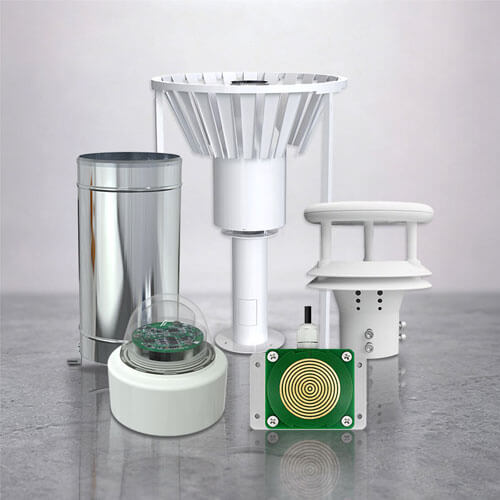
Renke Sensors, a leading domestic manufacturer of environmental monitoring equipment, has over a decade of industry experience. The company has developed water quality analyzers covering multiple key parameters, including turbidity, suspended solids, conductivity, pH, dissolved oxygen, residual chlorine, ORP, and salinity. These sensors not only provide high-precision and stable measurements but also enable real-time monitoring and trend analysis through a remote cloud platform, allowing users in homes, communities, or small laboratories to stay informed about drinking water safety.
With a comprehensive product range, competitive pricing, and excellent after-sales service, Renke water quality sensors have earned the trust of a broad user base. For consumers concerned about the safety of their household drinking water, choosing Renke’s professional monitoring solutions means gaining a more scientific and reliable safeguard.