Maintaining an ideal pH range in an aquarium is a difficult yet vital task. Because pH levels that are too high or too low can cause significant stress to fish and even impact their health, it is essential to understand how to effectively adjust and stabilize water quality. This guide will explain in detail the effects of aquarium pH levels and how to adjust them safely.
What is aquarium pH and its impact?
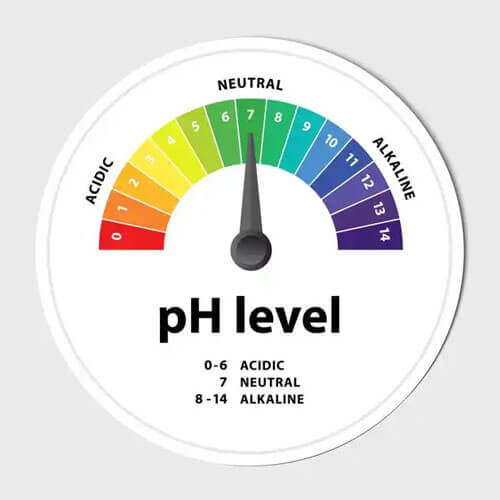
The pH value of an aquarium indicates whether the water is acidic, alkaline, or neutral. While the safe pH range varies by species, it typically falls between 6.5 and 8.5. Rather than being a fixed number, pH exists as a constantly fluctuating range, often shifting by 1 to 2 units daily. However, drastic fluctuations indicate that immediate adjustments are necessary.
Since fish spend their entire lives in water, mastering pH levels is critical. Fluctuations do more than just affect fish physiology; they can alter the toxicity of chemicals in the water, threatening the stability of the entire ecosystem. Abnormal pH levels often cause fish to exhibit unusual behaviors, such as rapid gill movement, erratic swimming, or darting into the glass.
When the pH is too low (acidic), it impairs the oxygen-carrying capacity of the fish’s blood, leading to lethargy, sluggishness, or a loss of appetite. If the pH drops below the extreme tolerance of your specific fish, their gills and tissues can be damaged, resulting in severe health issues.
Conversely, when the pH is too high (alkaline), the irritation causes fish to become abnormally excited, often swimming aimlessly or crashing into the tank walls. Irritated by the alkaline environment, fish may also repeatedly rub their bodies against gravel or decorations to alleviate the stinging sensation.
Factors affecting aquarium pH
There are many factors that influence aquarium pH levels, with the following being the primary drivers:
1. Biological filtration and organic decomposition
During the nitrification process, beneficial bacteria release hydrogen ions as they convert ammonia into nitrates, consuming the water’s alkalinity and causing the pH to drop gradually. Additionally, the decomposition of fish waste and uneaten food produces various organic acids. Without regular water changes, an aquarium will naturally trend toward “acidification.”
2. Decorations and substrate
The hardware within an aquarium continuously alters the water’s chemical composition. For example, coral bones, shell sand, Seiryu stones, or marble release calcium, magnesium ions, and carbonates into the water, significantly raising both pH and hardness. Conversely, driftwood, Indian almond leaves, peat moss, or aquarium soil release tannic and humic acids, which serve to soften the water and lower the pH.
3. Carbon dioxide (CO2) and photosynthesis
When CO2 dissolves in water, it forms weak carbonic acid, which lowers the pH value. In planted tanks, plants consume CO2 through photosynthesis during the day, causing the pH to rise. At night, photosynthesis stops and plants switch to respiration, releasing CO2 and causing the pH to fall.
4. Water changes and sources
The aquarium pH level depends on the quality of the water source used during maintenance. Regular water changes help dilute accumulated acidic substances and replenish depleted buffering capacity (KH), thereby maintaining the pH within a stable range.
How to test the pH in your aquarium?
To maintain your aquarium pH within an ideal range, you must first determine its exact value. Since pH cannot be assessed by the clarity or color of the water, specialized monitoring tools are required. Here are three common and efficient methods for tracking pH levels.
1. pH test kits
These are the most common monitoring tools for hobbyists, offering a simple and cost effective solution. Many liquid test kits such as those from API or Tetra are available on the market for quick and accurate water testing. While reagent concentrations may vary slightly by brand, the standard procedure remains consistent.
To perform the test, simply follow the manufacturer instructions. Collect a water sample from the aquarium using a clean container, then add the specified number of reagent drops (usually 3 or 5). Once the reagent has mixed thoroughly and the color has fully developed, compare the sample against the provided color chart to determine the pH level.
2. Digital pH meters
Portable pH meters, often called pH pens, are favored by advanced hobbyists. Unlike chemical reagents that rely on visual color interpretation, these devices use electronic sensors to measure hydrogen ion activity directly, providing a clear digital readout.
Portable pH meters are ideal for setups requiring high precision due to their ease of use and portability. Most high quality models feature Automatic Temperature Compensation (ATC). Since pH values fluctuate with temperature, ATC ensures accurate readings regardless of water temperature variations. Selecting a reputable brand and performing regular calibrations are essential for maintaining measurement accuracy.
3. pH monitoring systems
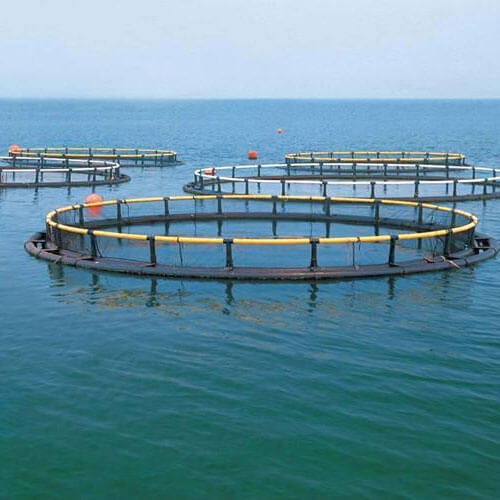
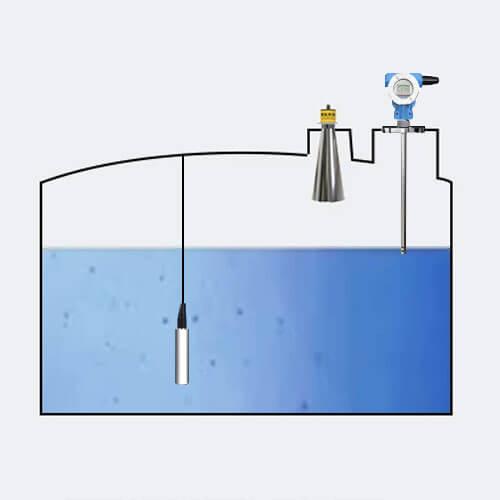
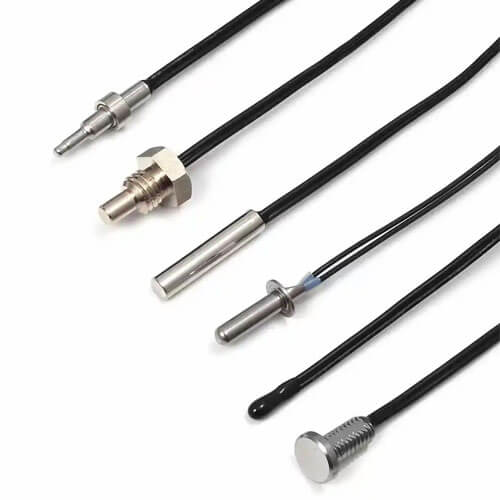
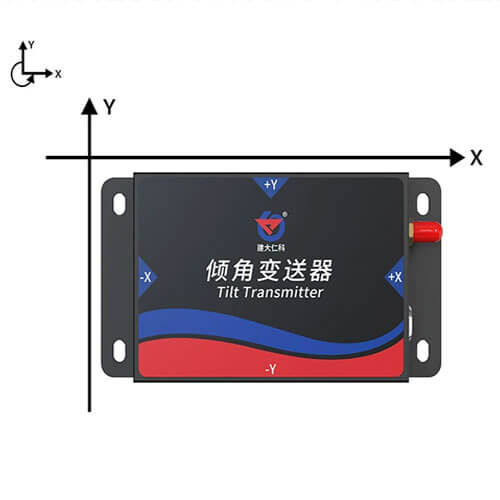
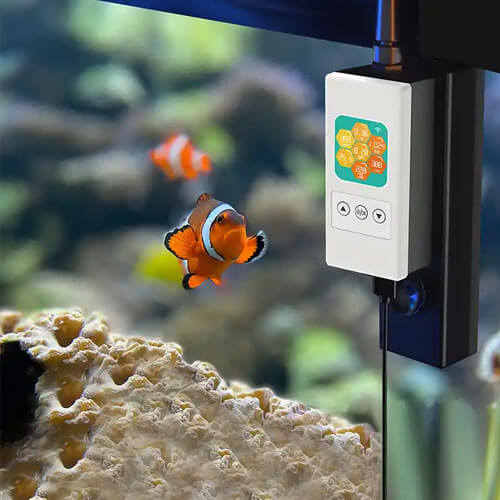
For large scale public aquariums, commercial hatcheries, and high end coral traders, online aquarium pH monitoring and control systems are the premier choice. These systems typically consist of various water quality sensors including pH, dissolved oxygen, and conductivity, multi parameter controllers, and integrated software. Together, they form a closed loop management network capable of centralized monitoring for multiple locations and parameters.
In systems containing tens of thousands of gallons, biological assets are incredibly valuable. Automated water quality systems allow users to set threshold limits. If the pH becomes abnormal due to a CO2 leak or a filtration failure, the system immediately alerts managers via email, mobile apps, or on site alarms to prevent catastrophic loss. Beyond alerts, these systems feature automated control functions, such as managing calcium reactors or dosing pumps to supplement sodium bicarbonate. This maintains the extreme stability of hardness and pH required for critical coral growth.
Once you have accurately determined your aquarium pH level, you can decide whether an adjustment is necessary. The following section introduces safe methods for raising or lowering your aquarium pH.
How to lower pH in aquarium?
Natural methods (gradual effect)
1. Adding driftwood and other decorations
Driftwood contains natural organic substances that decompose to produce acidic compounds such as tannic acid, which lowers the water pH. This natural and gentle acidification method is ideal for species that prefer acidic environments. It mimics natural habitats, creates a suitable living space for ornamental fish, and enhances the overall aquarium landscape.
2. Using RO water (reverse osmosis)
Reverse osmosis technology removes minerals and alkaline ions from water to lower the aquarium pH. Since RO water is almost entirely stripped of mineral content, it is suitable for fish species that require strict control over both pH and mineral levels.
3. Adding peat moss
Peat moss is an organic material that releases natural acids into the water to slowly decrease the aquarium pH. While it might affect water clarity and aesthetics, this method is well suited for certain tropical species, particularly many cichlids from the Amazon Basin.
4. Using indian almond leaves
Similar to driftwood, these leaves release tannic acids into the water to naturally lower the aquarium pH. A common dosage is 2 to 3 leaves per 100 liters of water. Beyond aesthetic benefits, these leaves possess natural antibacterial properties that promote fish health.
5. Adjusting substrate
Using specific types of gravel or sand can help reduce alkalinity. Furthermore, adding certain rocks like clay based materials to the tank can act as a buffer to help maintain a lower aquarium pH level.
6. Regular water changes
Consistently replacing a portion of the aquarium water is the most direct approach. By changing approximately one fourth to one third of the total water volume with new water that has a lower pH than the original tank water, you can manage acidity. Treated neutral water with a pH of around 7 or slightly acidic water can be used for these replacements.
Chemical methods (fast acting)
1. Using pH down chemicals
Adding specific acidic substances such as sodium bisulfate or potassium bicarbonate can significantly lower the aquarium pH. This method is appropriate for situations requiring rapid adjustments in the short term, though it is not recommended for long term use and requires immediate and frequent water quality testing.
2. Carbon dioxide (CO2) injection
Injecting CO2 into a planted tank creates weak carbonic acid when it reacts with water, thereby lowering the aquarium pH. This method is best for experienced hobbyists as it requires precise control over the injection rate. Generally, a rate of 1 to 2 bubbles per second is appropriate for most tanks, though the specific amount must be adjusted based on tank size and plant density.
How to raise pH in aquarium?
Adding bicarbonates (such as baking soda)
Using baking soda (sodium bicarbonate) to raise the aquarium pH provides immediate results, but it requires precise control. Adding too much can cause drastic pH fluctuations that jeopardize fish health. This method is suitable for species that thrive in higher pH environments, such as goldfish and koi.
Using lime powder
Lime powder (calcium oxide or calcium hydroxide) releases alkaline substances upon dissolving, which increases the aquarium pH level. Because lime powder can cause rapid changes in water chemistry if not managed carefully, it must be used with caution. This approach is typically reserved for large scale aquariums or systems requiring a sustained high pH.
Using coral sand, coral bone, quartz sand, or oyster shells
Coral sand is rich in calcium carbonate, which slowly releases calcium ions to elevate the aquarium pH. This method of raising pH is more natural and safe, though it requires a longer period to show results. It is ideal for fish that require long term alkaline conditions, such as African cichlids and many native ornamental species.

This article was written by the Renke Technical Team. Renke is a trusted water quality sensor manufacturer with over 15 years of hands-on experience in both hardware and software R&D. The company develops and produces a wide range of water quality sensors, which are widely deployed in wastewater treatment plants, hydrological monitoring systems, environmental protection projects, and aquaculture operations worldwide. Backed by long-term field applications and continuous technological innovation, the Renke Technical Team provides reliable, experience-driven insights into water quality monitoring and sensor technology.