

Table of Contents Total suspended solids (TSS) in water consist of a wide range of particulate materials, including microorganisms such as bacteria and algae,
Total Suspended Solids Sensor
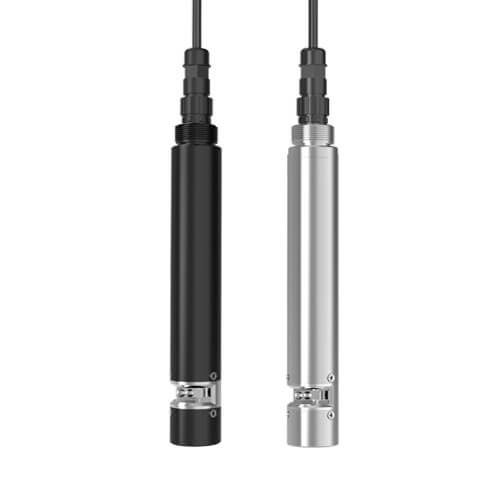
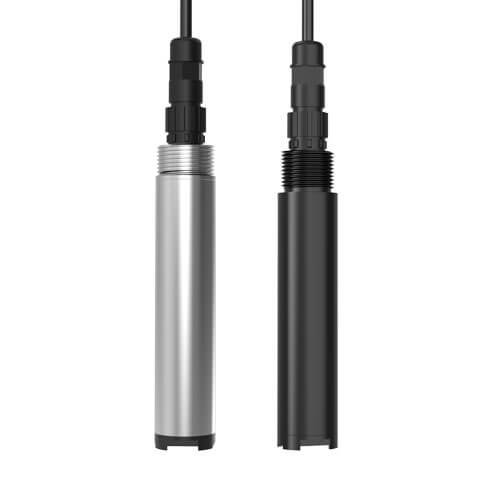
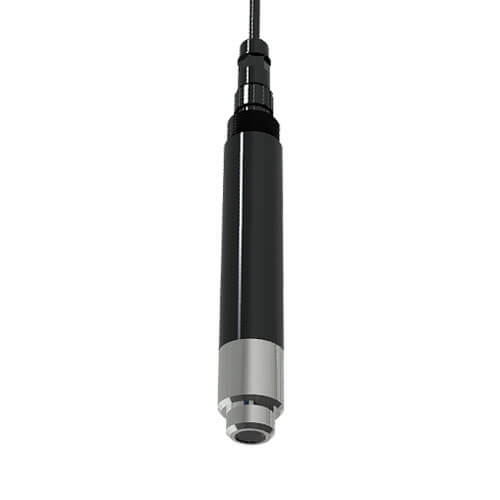
Our Total Suspended Solids (TSS) sensor operates based on an optical measurement principle. A light source emits a beam into the water sample, where suspended particles cause the light to scatter. The TSS sensor detects the intensity of the light scattered back from these particles and compares it with internally stored calibration data. Through signal processing and linearization, the system calculates the concentration of suspended solids and outputs the final measurement result.
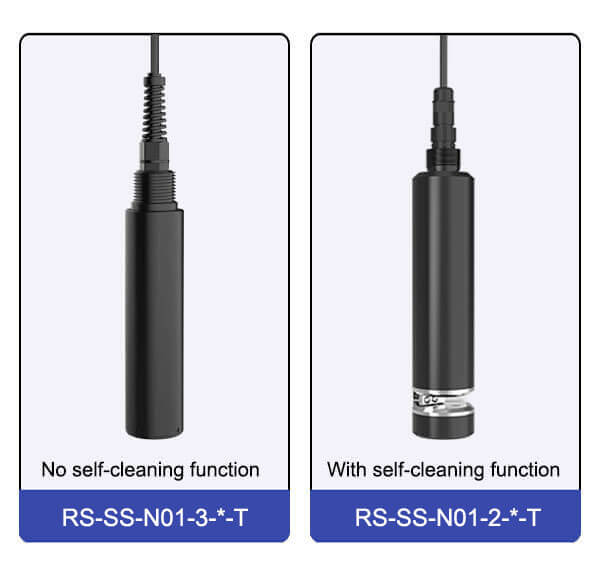
- Model: RS-SS-N01-2/3-*-T
- MOQ: 1 PCS
- Delivery date: within 24 hours
- Price: $210~$525
About - TSS Sensor
Suspended solids refer to solid substances suspended in water, including insoluble inorganic matter, organic matter, as well as silt, clay, and microorganisms. The concentration of suspended solids in water, also known as sludge concentration, is one of the indicators used to evaluate the degree of water pollution. Suspended solids are the main cause of water turbidity.
Features
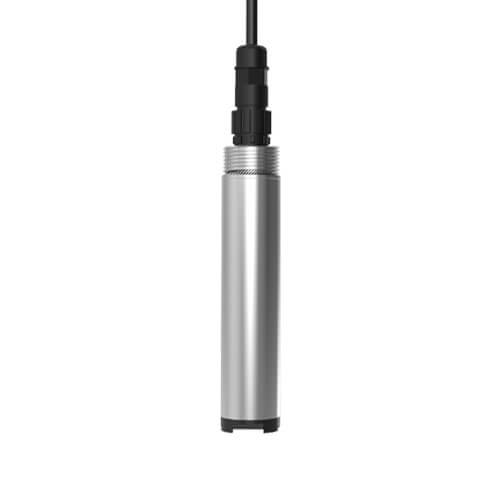
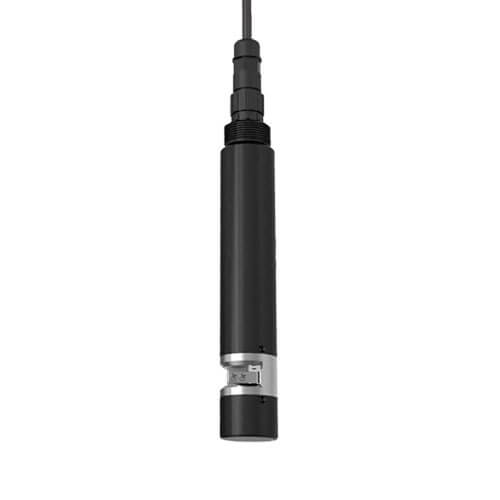
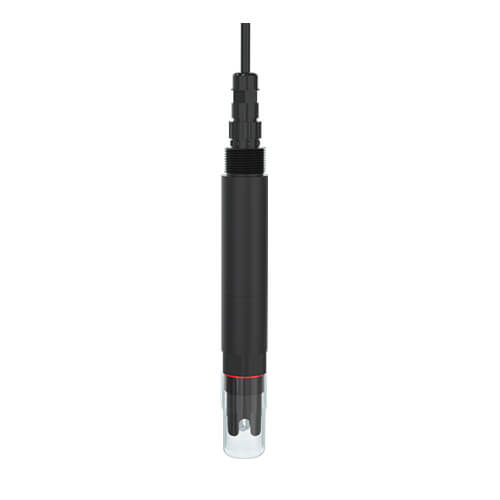
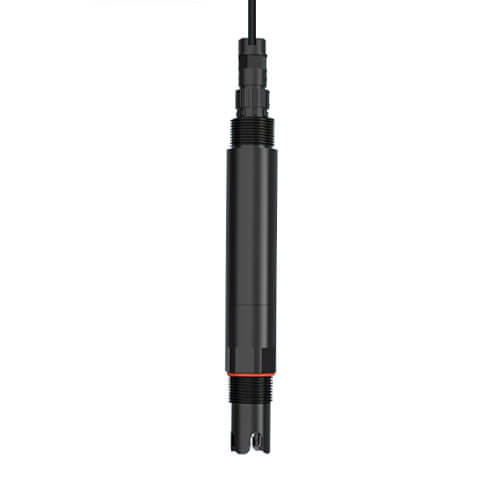
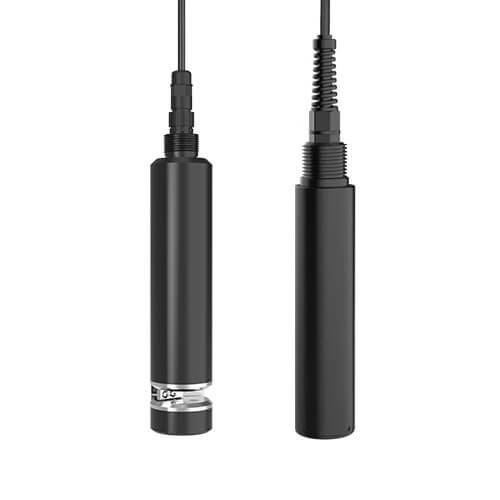
Our TSS sensor is designed for measuring suspended solids concentration. The RS-SS-N01-2-*-T series features a stainless steel housing, while the RS-SS-N01-3-*-T series uses a corrosion resistant plastic housing(this type no self-cleaning). Our suspended solids sensor adopts an optical measurement method and does not require chemical reagents. It has a built in temperature transmitter that automatically compensates for temperature fluctuations and interference caused by color changes in high concentration suspended solids water. This TSS sensor features a self cleaning function and requires almost no maintenance. The self cleaning system prevents measurement deviation caused by air bubbles, biofouling slime, and sludge particles, enabling high accuracy suspended solids measurement. This not only directly reduces operating costs, but also supports environmental compliance.
Parameters
| Model | RS-SS-N01-2-*-T | RS-SS-N01-3-*-T |
|---|---|---|
| Power supply | DC 12~30V | DC 10~30V |
| Power consumption | 1.2W (normal), 4.5W (when the self-cleaning system is working) | 0.2W |
| Working principle | Light absorption method | Light scattering method |
| Measurement range | 0~20000mg/L, 0~5000mg/L, 0~1000mg/L, 0~200mg/L | 0~5000mg/L, 0~1000mg/L, 0~200mg/L |
| Measurement error | ±5%F.S. (depending on sludge homogeneity) | ±5%F.S. (depending on sludge homogeneity) |
| Resolution | 0.1mg/L | 0.1mg/L |
| Response time | ≤30s | ≤30s |
| Operating conditions | 0~40℃ | 0~40℃ |
| Waterproof rating | IP68 | IP68 |
| Flow rate | <3m/s | <3m/s |
| Pressure resistance | <0.1MPa | <0.1MPa |
| Electrode wire length | Default 5m (customizable) | Default 5m (customizable) |
| Casing material | Stainless steel | Corrosion-resistant plastics |
| Recommended maintenance frequency | 3 months | 3 months |
| Self-cleaning system lifespan | 18 months | — |
| Output signal | RS485 | RS485 |
Advantages
Easy to use
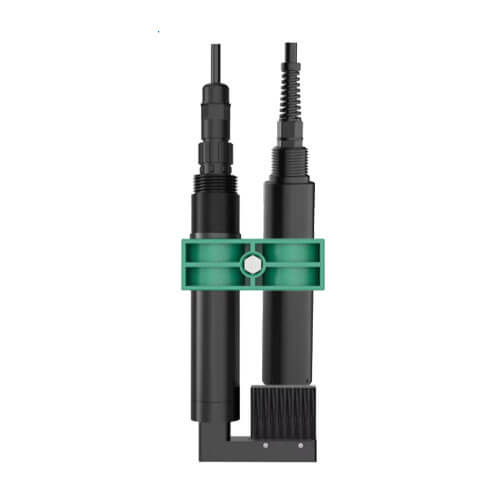
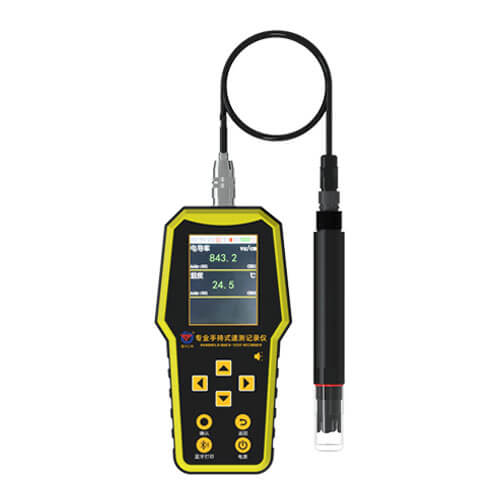
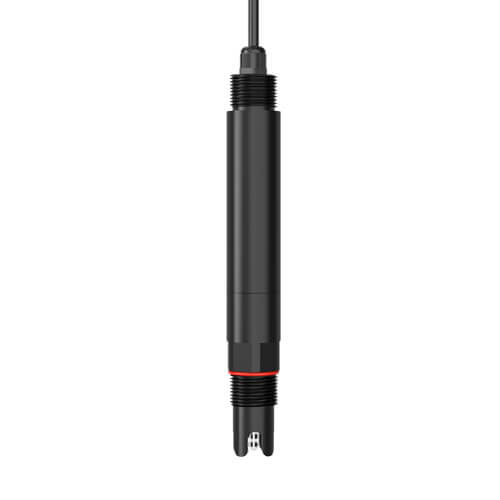
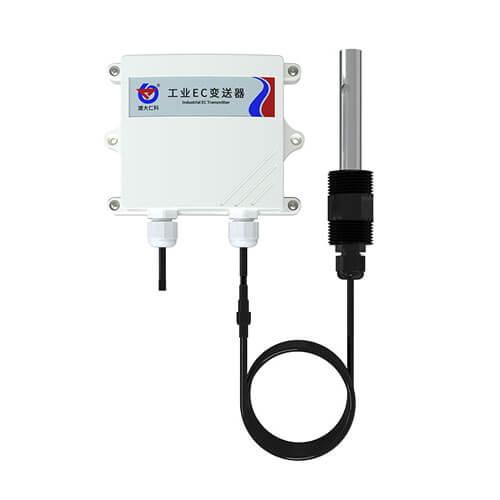
Our total suspended solids sensor electrode is equipped with an NPT 3/4 thread for simple installation and convenient operation. It can be used with our mounting pipe or connected to our portable water quality analyzer for real time monitoring.
High accuracy
Our TSS sensor adopts modulated light signals and electronic filtering technology to eliminate the influence of ambient light on measurement. It automatically compensates for air bubbles and temperature fluctuations, accurately detecting even slight changes in suspended solids and improving the reliability of monitoring data.
Wide applications
The TSS sensor enables continuous, real time monitoring of suspended solids changes. It is widely used in water treatment, aquaculture, environmental monitoring, and many other industries, providing strong support for water quality monitoring across different application fields.
Wide measure range
Renke offers both sealed stainless steel and corrosion resistant plastic versions, capable of measuring total suspended solids (TSS) concentrations in ranges of 0~200 mg/L, 0~1000 mg/L, 0~5000 mg/L, and 0~20000 mg/L. Customization is supported.
High protection
Our RS-SS-N01-2/3-*-T is a compact and integrated TSS sensor with a fully waterproof housing and a protection rating of IP68. It is equipped with an external anti interference cable to ensure stable signal output. It can operate normally even in harsh environments.
Multiple signal outputs
Our TSS sensor offers multiple output options, including 4~20 mA, RS485, 0~5 V, 0~10 V, and Ethernet, making it easy to connect to user controllers, PLCs, or microcontrollers. We also provide a free cloud platform for users to remotely view data in real time.
FAQs - TSS Sensor
Why measure suspended solids and turbidity in water?
Monitoring total suspended solids (TSS) and turbidity is essential for safeguarding water quality. Ignoring these critical parameters can lead to serious consequences, threatening both ecosystems and human health. Elevated TSS levels reduce water transparency and disrupt aquatic habitats. Turbidity measurements indicate the degree of cloudiness in water and serve as a key indicator of pollution. Failure to monitor TSS and turbidity can reduce the effectiveness of wastewater treatment, interfere with industrial processes, and contribute to environmental degradation.
What causes suspended solids in water?
TSS levels can increase due to:
- Soil erosion and runoff
- Wastewater or industrial discharge
- Stormwater events
- Algal blooms and decaying vegetation
- Construction or dredging activities
- Understanding the source helps manage and reduce TSS.
What is a suspended solids (TSS) sensor?
A TSS sensor is a device that measures the concentration of suspended particles in water, often in mg/L. TSS sensors provide real-time data for environmental monitoring, water treatment, and industrial process control.
What types of TSS sensors are available?
Common TSS sensor types include:
Optical sensors (light scattering or turbidity-based)
Acoustic sensors (using sound attenuation to detect particles)
Gravimetric sensors (filter and weigh suspended solids)
For real-time monitoring, optical sensors are most widely used due to ease of installation and maintenance.
How to calibrate a suspended solids (TSS) sensor?
The suspended solids concentration of on site samples may differ significantly from the factory calibration value, depending on sludge homogeneity and the different light absorption characteristics of suspensions with the same concentration but different compositions. Therefore, to obtain accurate measurements, on site calibration is required.
Factory calibration establishes a linear relationship between output value and actual concentration, so on site calibration only requires adjustment of the slope. The specific methods are as follows:
1. Take an on site water sample and keep the solids in suspension. Measure and record the concentration value using the TSS sensor. Filter the sample through a 0.45 μm membrane. Dry the retained material at 103 to 105 °C to constant weight and weigh the solids. Divide the obtained mass by the filtered water volume to determine the actual suspended solids concentration. Calculation: slope = actual concentration / measured concentration. Write this value into the suspended solids slope register.
2. Filter the water sample through a 0.45 μm membrane and dry the retained material at 103 to 105 °C to constant weight. Redissolve a known mass of solids in water to prepare a standard suspension with a known concentration and sludge homogeneity consistent with the measured solution. Place the sensor into the prepared standard solution, keep the solids in suspension, and record the measured concentration. Calculation: slope = standard concentration / measured concentration. Write this value into the suspended solids slope register.
Note: Because RS-SS-N01-2-*-T and RS-SS-N01-3-*-T use different calibration materials, their factory values are not comparable for cross verification. Under the same solution conditions, the value measured by the -2 version is lower than that measured by the -3 version.
How to install a suspended solids sensor?
- The recommended installation orientation for a TSS sensor is horizontal, which helps reduce the influence of debris and foreign matter settling on the measurement.
- When suspending the sensor, avoid impacts caused by water flow against walls or other hydraulic structures. If the flow velocity is high, the sensor should be securely fixed.
- The suspended solids sensor should be installed in water free of air bubbles, with an installation depth not exceeding 2 meters below the water surface. Considering water level fluctuations, it is recommended to submerge the sensor at least 30 cm below the lowest water level.
What should be noted during use?
- If an obvious malfunction occurs, do not open or attempt to repair the TSS sensor yourself. Please contact us as soon as possible.
- Before measurement, remove the black rubber protective cap.
- Regularly clean any deposits on the front end of the probe according to the operating environment, as fouling will cause measurement errors. Do not scratch the optical window of the probe during cleaning. It is recommended to clean once every 30 days.
- It is recommended to rinse the outer surface of the sensor with flowing water. If contamination remains, gently wipe it with a soft damp cloth.
- The sensor should be calibrated before each use. For long term operation, calibration is recommended every three months. The calibration frequency should be adjusted according to actual application conditions, such as the level of contamination and chemical deposits.
- Our products are factory calibrated using diatomaceous earth, which is more suitable for scattering based measurement methods, as the reference material. On site calibration should be performed using a sludge standard solution prepared from the actual application medium to ensure sludge homogeneity and measurement accuracy.
Are suspended solids sensors and sludge sensors the same?
- Suspended Solids (SS) refers to suspended matter in water. It is defined as the solid substances retained on a 0.45 μm filter membrane after a water sample is filtered and then dried at 103 to 105 °C to constant weight. SS is one of the key indicators used to evaluate the degree of water pollution.
- Mixed Liquor Suspended Solids (MLSS) refers to sludge concentration. It represents the mass of dry sludge contained in 1 liter of mixed liquor from an aeration tank. It consists of active biomass, endogenous microbial residues, non biodegradable organic suspended solids, and inorganic suspended solids.
- Both suspended solids and sludge concentration are suspended solids in nature, and what is being measured is essentially the same. Sludge concentration specifically refers to the suspended solids concentration in aeration tanks or in the aeration process.
How often should a TSS sensor be cleaned or maintained?
Maintenance depends on water quality:
Clear water: thres months
High-fouling water (sludge, algae, industrial effluent): weekly
Cleaning prevents biofouling, sediment buildup, and optical obstruction, which can lead to measurement errors.
What is a typical TSS range in natural and treated water?
- Clean natural water: 1~10 mg/L
- Moderately polluted water: 10~100 mg/L
- Industrial or wastewater: up to several thousand mg/L
- The acceptable TSS level depends on the application, environmental regulations, and water use.
What factors affect TSS sensor lifespan?
Sensor lifespan depends on:
Water chemistry (corrosive or abrasive substances)
Operating conditions (temperature, pressure)
Maintenance practices (cleaning and calibration)
Typically, well-maintained TSS sensors last 1-3 years in industrial or environmental applications.
Related Blogs
Table of Contents Dissolved Oxygen (DO) indicates the oxygen in water that has been dissolved. It is measured in terms of mass (in milligrams
Table of Contents Turbidity is used to measure the degree to which suspended particles in water obstruct the transmission of light. Due to the
Table of Contents What is ORP in water? ORP is Oxidation-Reduction Potential. It is an index that measures a solution’s ability to gain or
Table of Contents In wastewater treatment projects, it is essential to monitor water quality at every stage to ensure that the treated water meets
Table of Contents Chlorine is a widely utilized chemical element, indispensable in global water treatment strategies due to its potent disinfection capabilities. Its effectiveness
Table of Contents What do pH Mean in Water? The water pH is an important indicator of its acidity or alkalinity. pH (Potential of
Table of Contents We need to understand what is turbidity, before learning the turbidity sensor. Turbidity is a measure of water quality that reflects
Table of Contents Everyone knows that the choice of water quality sensors is very important. In water measurement, the ph sensor is one of
Table of Contents Water is the source of life, integral to every aspect of human production and daily living. In many scenarios, ensuring health