




Table of Contents In the field of gas monitoring, carbon dioxide gas concentration is a critical parameter. CO2 sensors are used in industrial, agricultural, and
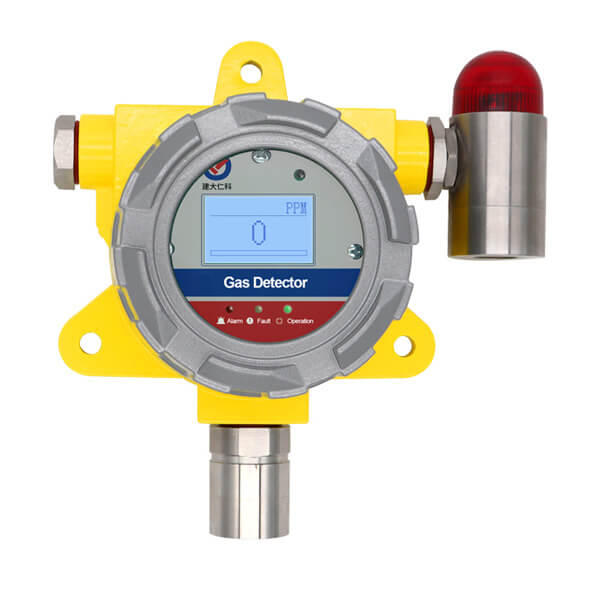
Fixed Gas Detector
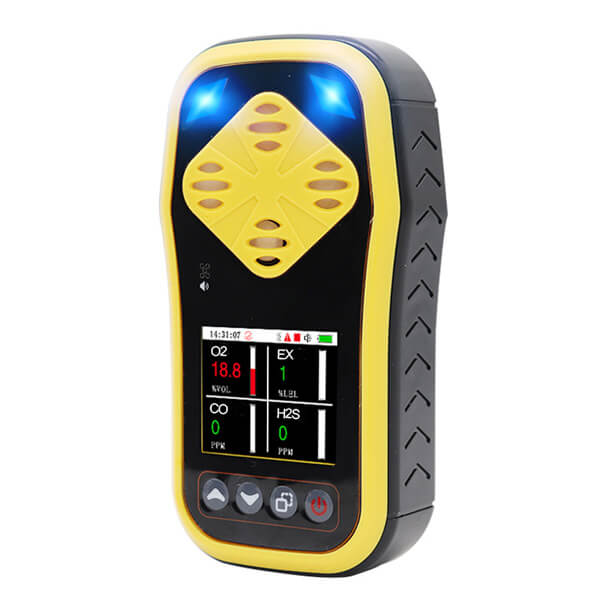
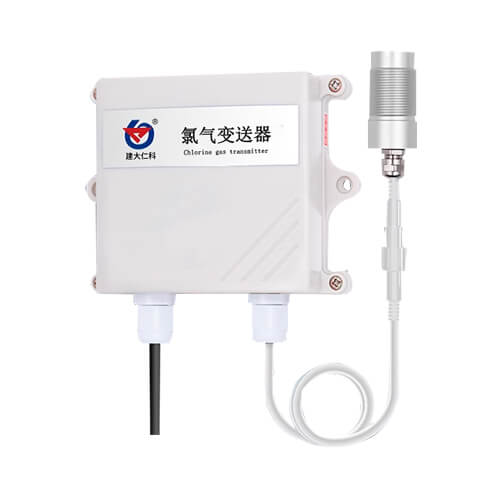
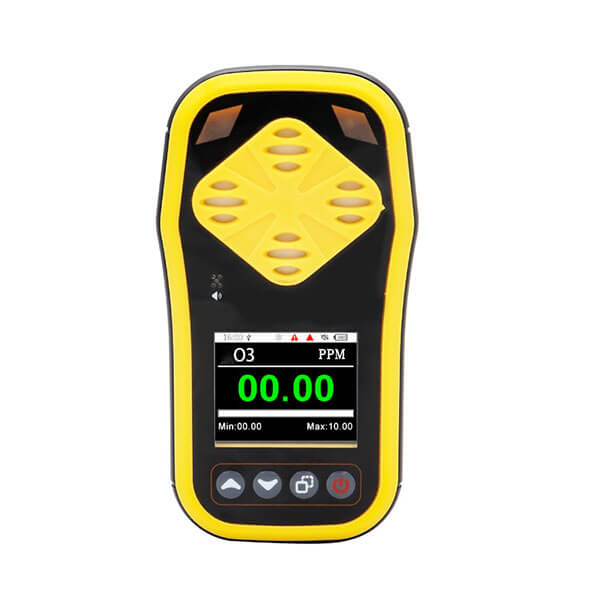
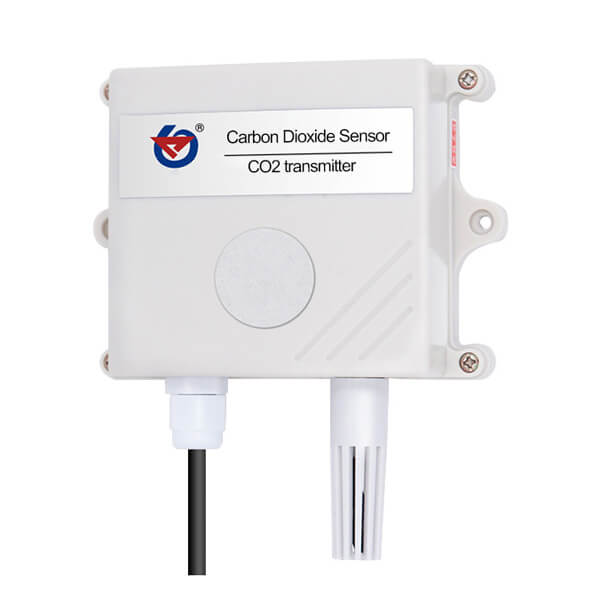
The fixed gas detector is used to monitor the gas concentration in your warehouse and workplace. When the concentration exceeds the preset alarm value, it will send out an audible and visual alarm signal to remind users to take safety measures in time. This explosion-proof gas detector has a variety of gases to choose from, such as O2, H2, H2S, CO, CO2, SO2, NO2, NH3, PH3, O3, CL2, N2, formaldehyde, etc.
- Model: RS-FPC-*-*-T
- MOQ: 1 PCS
- Delivery date: within 24 hours
- Price: $88~$346
About - Fixed Gas Detector
This fixed gas detector can choose many types of gases, including carbon dioxide, hydrogen, carbon monoxide, hydrogen sulfide, nitrogen dioxide, sulfur dioxide, formaldehyde, oxygen, ammonia, ozone, chlorine, nitrogen, etc. There are also a variety of gas measurement ranges and support customization.
Features
The RS-FPC-*-*-T fixed gas leak detector is equipped with a high quality electrochemical sensor from a leading global brand, offering high sensitivity and strong anti interference performance during operation. With Renke’s proprietary compensation algorithm and multi point standard gas calibration, the detector provides long service life, high accuracy, excellent repeatability, and strong stability.
The industrial fixed gas detector features a large LCD display and an IP66 protection rating. Its explosion proof certifications are Ex db IIC T6 Gb and Ex tb IIIC T80°C Db, making it suitable for harsh outdoor environments.
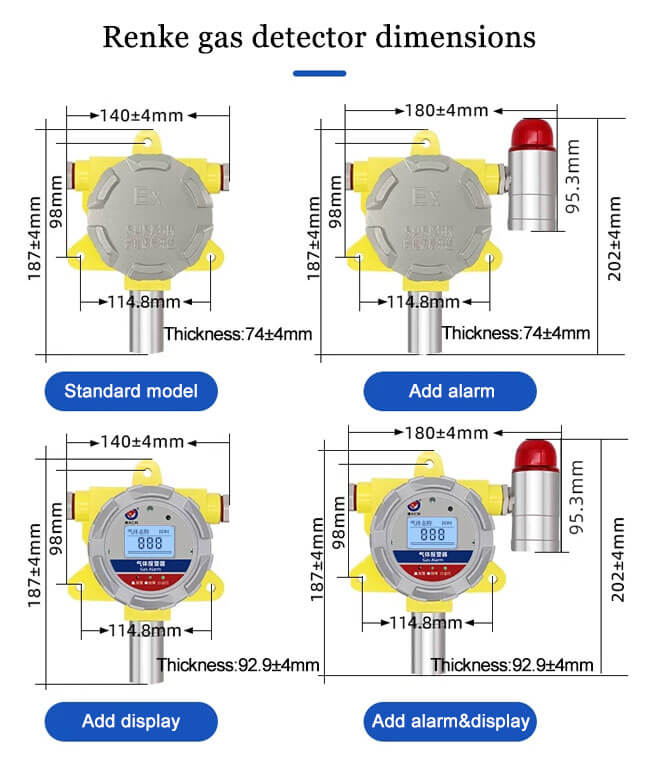
This gas detector adopts a wall mounted explosion proof enclosure with simple installation and compact size. It supports remote infrared control technology, allowing parameter adjustment without disassembly. The device operates on a wide DC power supply range of 10 to 30 V, making it compatible with various on site DC power sources.
Renke fixed gas detector types and prices
| Detected gas | Selectable range | Resolution | Accuracy | Zero drift | Response time | Price |
|---|---|---|---|---|---|---|
| O2 | 0-30%VOL | 0.1%VOL | ±2%FS | ±0.3%VOL | ≤10s | $90.2 |
| H2S | 0-100ppm | 1ppm | ±2ppm or ±10% | ±5ppm | ≤35s | $94.4 |
| CO | 0-1000ppm | 1ppm | ±5 ppm or ±10% | ±3 ppm | ≤30s | $88 |
| NO2 | 0-20ppm | 0.1ppm | ±5%FS | ≤±0.5ppm | ≤30s | $256 |
| 0-2000ppm | 1ppm | ±5%FS | ≤±20ppm | ≤60s | $346 | |
| SO2 | 0-20ppm | 0.1ppm | ±5%FS or ±10% | ≤±0.5ppm | ≤45s | $241 |
| 0-2000ppm | 1ppm | ±5ppm or ±10% | ≤±4ppm | ≤70s | $294 | |
| H2 | 0-1000ppm | 1ppm | ±5%FS | ≤±10ppm | ≤70s | $231 |
| NH3 | 0-50ppm | 0.1ppm | ±8% | ≤±2ppm | ≤90s | $193 |
| 0-100ppm | 1ppm | ±8% | ≤±2ppm | ≤90s | $193 | |
| O3 | 0-100ppm | 1ppm | ±6%FS (@50ppm, 25℃, 50%RH) | ≤±0.5ppm | ≤30s | $88 |
| CH2O | 0-5ppm | 0.01ppm | ±5%FS (@1ppm, 25℃) | ≤±0.5ppm | ≤35s | $105.5 |
| CL2 | 0~20ppm/0~50ppm | 0.1ppm | ±10% | ±3%FS | ≤60s | $180.3 |
| 0~100ppm | 1ppm | ±10% | ±3%FS | ≤60s | $180.3 | |
| N2 | 70~99.9%VOL | 0.1%VOL | ±0.6%VOL | ±0.3%FS | ≤10s | $115.3 |
Features
To meet the requirements of different applications, this explosion proof gas detector supports multiple output options, including 4-20 mA, 0-5 V, 0-10 V, and RS485. The RS485 communication interface uses the standard ModBus RTU communication protocol, with configurable address and baud rate settings, and a maximum communication distance of up to 2000 meters. For more details, please check our fixed gas detector video.
Renke fixed gas detector datasheets
| Power supply | 10~30V DC | |
|---|---|---|
| Average power consumption | 0.35W; Additional power consumption when alarm light is working: 1W | |
| Output signal | RS485/0-5V/0-10V/4-20mA | |
| Repeatability | NH3/H2/CO(1000ppm)/H2S/NO2/SO2/O3/PH3/CH2O/CL2: ≤2%C; O(2000ppm): ≤3%; O2/N2: ≤1% | |
| Stability | CO(1000ppm)/H2S/H2/NO2/SO2/NH3/PH3/CL2 | ≤2% signal value/month |
| O3/CH2O | ≤7% signal value/year | |
| CO(2000ppm)/O2/N2 | ≤5% signal value/year | |
| Operating temperature | H2/CO/H2S/NO2/SO2/O2/NH3/PH3/O3/CH2O/CL2/N2 | -20~50℃ |
| Operating humidity | NH3/H2/CO/H2S/NO2/SO2/O3/PH3/CH2O/Cl2: 15~90%RH, non-condensing; O2/N2: 5~95%RH, non-condensing | |
| Working pressure | NH3/H2/CO(1000ppm)/H2S/SO2/O2/O3/PH3/CH2O/N2/CL2 | 90~110kPa |
| NO2 | 91~111kPa | |
| CO(2000ppm) | 80~120kPa | |
| Preheating time | NH3/H2/CO/H2S/NO2/SO2/O3/O2/PH3/CH2O/CL2: ≥5min; N2: ≥15min | |
| Explosion-proof markings | Ex db IIC T6 Gb; Ex tb IIIC T80℃Db | |
| Relay load capacity | 250VAC 1A / 30VDC 1A | |
FAQs - Fixed Gas Detector
What is fixed gas detection?
Fixed gas detection refers to a permanently installed gas monitoring system designed to continuously detect the presence of hazardous gases in a specific area. It is typically used in industrial environments such as chemical plants, oil and gas facilities, wastewater treatment plants, and confined spaces where gas leaks or accumulation may pose safety risks. Unlike portable detectors, fixed gas detection systems provide continuous, real-time monitoring and are not intended for temporary use.
What is a fixed gas detection system?
A fixed gas detection system is designed to provide 24/7 continuous monitoring to protect both personnel and facilities from gas-related hazards. The system detects toxic gases, oxygen deficiency, and combustible gases, and triggers alarms when concentrations exceed preset safety thresholds. Its primary purpose is to provide early warning of potential risks such as poisoning from toxic gas exposure, asphyxiation due to oxygen depletion, or explosion hazards caused by flammable gases.
What are the types of gas detectors?
According to the principle of gas sensors, it can be divided into the electrochemical sensors, catalytic bead (pellistor) sensors, infrared (IR) sensors, photoionization detectors (PID), semiconductor (MOS) sensors.
What does F.S stand for?
F.S. stands for Full Scale. It refers to the entire measurement range of a device. When customers ask about detector accuracy, it is often expressed as a percentage of full scale. For example, an accuracy of ±2% F.S. means that the measurement error is within ±2% of the instrument’s full-scale range, rather than ±2% of the current reading.
Example: For a gas detector with a range of 0~500 ppm, the F.S. is 500 ppm. An accuracy of ±2% F.S. means the maximum error at any point in the range is ±10ppm (500×0.02).
Where should a fixed gas detector be mounted?
Our fixed gas detector should be installed in locations free from impact, vibration, strong electromagnetic interference, and should be easily accessible for maintenance. The clearance between the detector installation point and surrounding process pipelines or equipment should not be less than 0.5 m.
Recommended installation positions for fixed gas detectors vary depending on the target gas:
- Carbon monoxide: 0.5m~1.0m above the release source
- Hydrogen sulfide: 0.5m~1.0m below the release source
- Methane: within 2.0m above the release source
- Hydrogen: within 2.0m above the release source
- Ammonia: within 2.0m above the release source
- Sulfur dioxide: 0.3m~0.6m above the bottom of the monitoring space
- Nitrogen dioxide: 0.3m~0.6m above the bottom of the monitoring space
- Ozone: 0.3m~0.6m above the bottom of the monitoring space
- Formaldehyde: 0.5m~1.0m below the release source
- Carbon dioxide: 0.3m~0.6m above the bottom of the monitoring space
- Sulfur hexafluoride: 0.3m~0.6m above the bottom of the monitoring space
- Phosphine: 0.5m~1.0m below the release source
- Oxygen: 0.5m~1.0m below the release source
- Nitrogen: 0.5m~1.0m below the release source
- Chlorine: 0.3m~0. m above the bottom of the monitoring space
To ensure proper use of fixed gas detectors and prevent malfunctions, do not install the device in the following locations:
- Areas directly exposed to steam or oil fumes
- Locations with strong airflow such as air inlets, ventilation fans, or doorways
- Areas with high humidity or water droplets (relative humidity ≥ 95% RH or locations prone to condensation)
- Locations outside the device’s operating temperature range
- Areas with strong electromagnetic fields
How to maintain the fixed gas detector?
- Wipe clean the surface regularly with a soft damp cloth.
- Fixed gas detectors should not be used for long periods in environments containing corrosive gases, as corrosive gases can damage the sensor.
- The fixed gas detector should not be exposed to high concentrations of organic gases for extended periods, as this may cause zero drift and slow recovery of the sensor.
- Long term storage or use in high concentration alkaline gas environments is strictly prohibited.
- Fixed gas detectors are intended only for indoor environments where ppm level gas concentrations are measured. They are not suitable for outdoor atmospheric measurements or ppb level applications.
- The device must not be used in environments with oxygen levels below 10% VOL, as low oxygen conditions may cause abnormal readings.
- After power off, the fixed gas detector should be stored in normal air conditions without toxic or harmful gases, otherwise its service life may be reduced.
- It is strictly forbidden to perform pure gas exposure tests or use methods such as lighter smoke exposure, as excessively high gas concentrations may cause premature sensor failure.
Where to use a fixed gas detector?
Fixed gas detectors can measure a wide range of gases, and can be used in petrochemical, coal, metallurgy, chemical, municipal gas, environmental monitoring, and other places to detect on-site. It can meet the measurement needs of special occasions. Gas concentration detection or leak detection can be performed on tunnels, pipelines, tanks, confined spaces, etc.
How is the effective detection range of a fixed gas detector defined?
Fixed gas detector coverage is typically defined by recommended installation spacing rather than a strict detection radius. For combustible gas detectors, the general guideline for indoor installation is that detectors should be spaced so that any point in the protected area is within a reasonable diffusion distance, often around 7.5 m under normal ventilation conditions. For outdoor or well-ventilated areas, this spacing can be increased, commonly up to around 15 m, depending on airflow and risk assessment.
For toxic gas detectors, placement is more critical due to lower alarm thresholds and gas dispersion characteristics. The detector should generally be installed as close as possible to the potential leak or release source. In many engineering practices, the recommended distance is within approximately 1 m indoors and 2 m outdoors, though the exact distance should be determined based on gas density, leak probability, and site-specific safety assessment.
Where to download this fixed gas detector manual?
To protect the patented technical parameters, please contact us for a manual.
Related Blogs
Table of Contents Did you know that most people spend about 90% of their time indoors? While we often worry about outdoor air pollution, the
Table of Contents In the fields of electrical engineering and electronics, we frequently encounter various analog signals such as voltage and current. In nature, analog
Table of Contents Gas leaks pose serious dangers in residential environments, including potential fire hazards, explosions, and adverse health effects. This article provides a detailed
Table of Contents Have you noticed this interesting phenomenon? When using gas detectors, different gases have different concentration units. For example, the unit for hydrogen
Table of Contents Biologists estimate that the human nose can distinguish on the order of ten thousand odor types, while dogs can identify hundreds of
Monitoring hazardous gases in the surrounding environment is fundamental to ensuring workplace safety. Many gases, such as carbon monoxide, hydrogen sulfide, etc., are difficult to
Table of Contents Carbon dioxide is a gaseous compound produced by the reaction of carbon and oxygen. Its chemical formula is CO2. A carbon dioxide
We all know that the chemical properties of ozone are extremely active. Its energy when it is free produces strong oxidation in an instant, which