

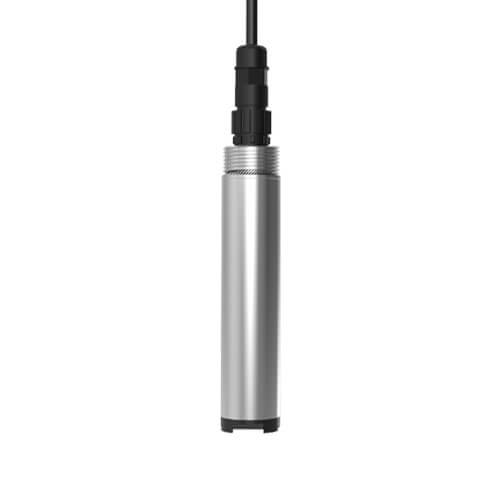
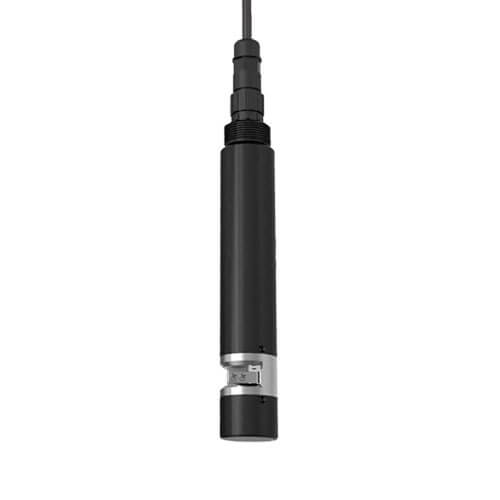
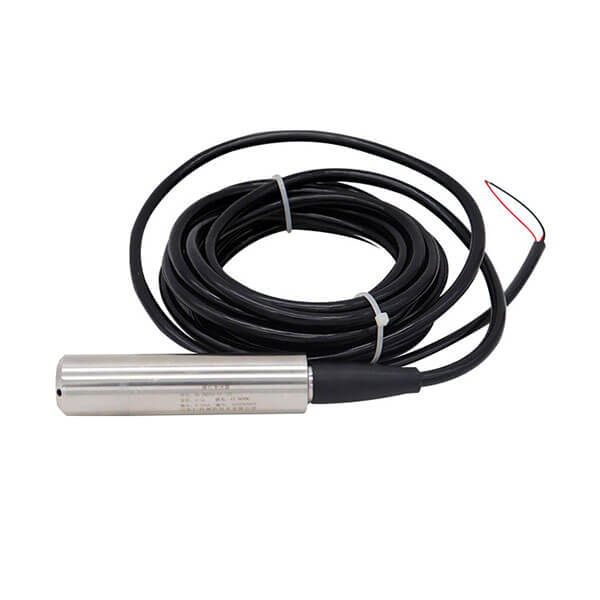
Table of Contents Chlorine based disinfection is the foundation of safe drinking water treatment worldwide. However, not all chlorine in water behaves the same way,
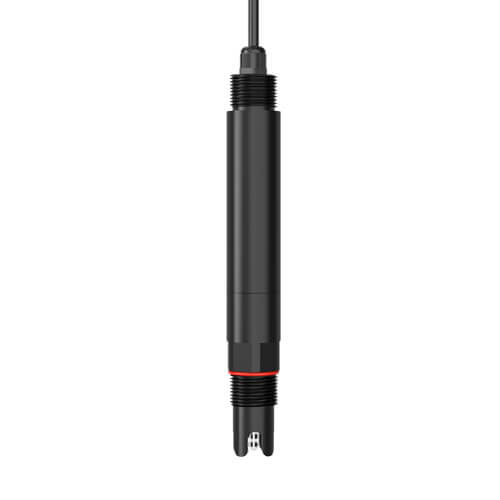
Residual Chlorine Sensor
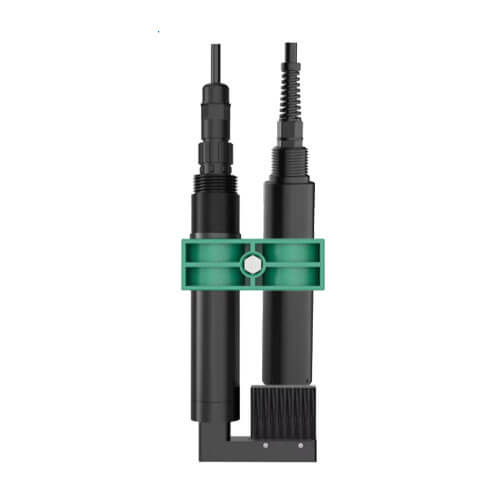
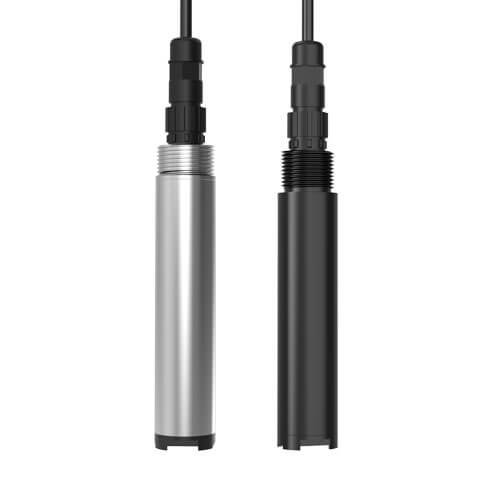
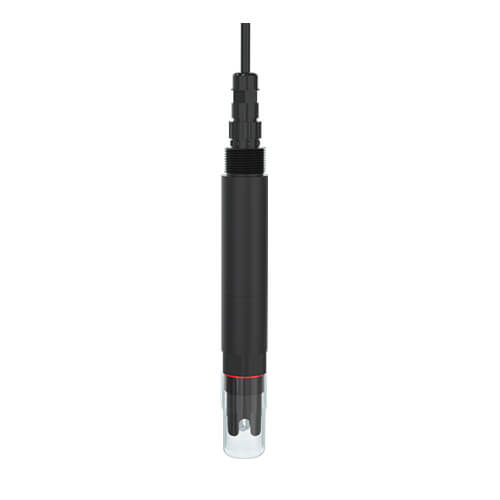
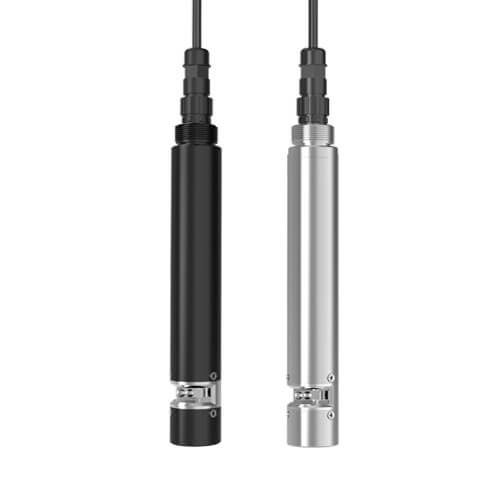
A residual chlorine sensor is a professional instrument used to measure the concentration of free chlorine in water, including hypochlorous acid (HOCl) and hypochlorite ions (OCl⁻). It adopts a three electrode design, which greatly reduces dependence on pH and no need for frequent calibration. We provide both the integrated chlorine sensor and industrial-grade chlorine meter, suitable for swimming pools, tap water plants, aquaculture, industrial wastewater, and many other application environments.
- Model: RS-CL-N01-3-*-T/RS-CL-*-2-*-T
- MOQ: 1 PCS
- Delivery date: within 24 hours
- Price: $142~$153
About - Chlorine Meter
Free chlorine is one of the important indicators of water quality. These measurements ensure that sufficient chlorine is available for disinfection and, in some cases, also confirm that chlorine has been removed. Our chlorine sensors are specifically designed for accurate and continuous measurement of free chlorine in clean water applications. At present, our integrated chlorine sensor, industrial-grade chlorine meter, and portable chlorine analyzer are highly popular among customers.
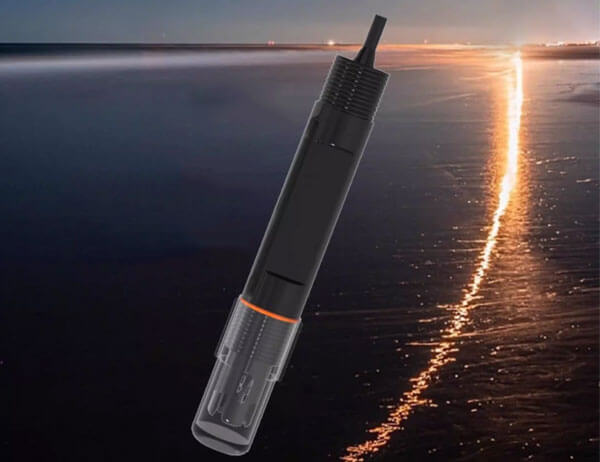
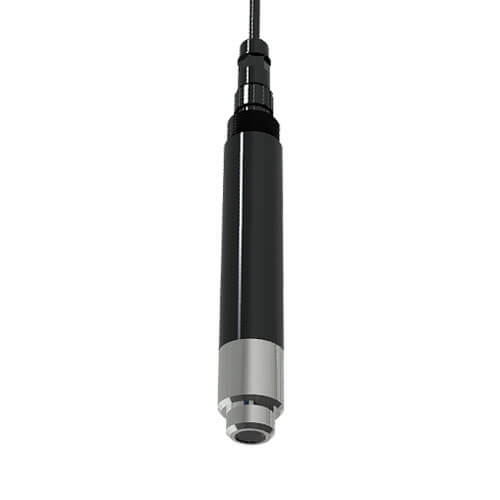
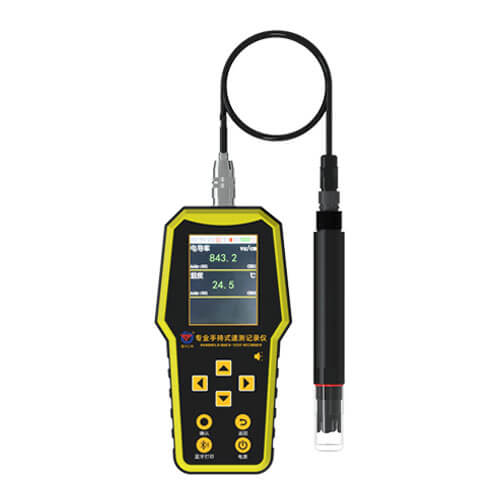
RS-CL-N01-3-*-T is an integrated chlorine sensor with a simple structure and easy operation. It has a protection rating of IP68. The reference electrode adopts a double salt bridge design, providing stronger resistance to contamination. It integrates an advanced membrane free constant potential sensor, eliminating the need to replace membranes or reagents and making maintenance simple. This integrated chlorine sensor uses RS485 signal output and can be used with our handheld water quality analyzer to display monitoring data in real time and store records. At present, this chlorine sensor is widely used for chlorine concentration monitoring in circulating water automatic dosing systems, swimming pool chlorination control, and drinking water treatment processes.
| Power supply | DC 7~30V |
|---|---|
| Power consumption | 0.19W |
| Communication interface | RS485, standard ModBus-RTU protocol. Default communication baud rate is 4800. |
| Chlorine measurement range | 0-2mg/L, 0-10mg/L, 0-20mg/L for optional. Resolution: 0.01mg/L |
| Chlorine measurement error | ±5%FS |
| Repeatability error | ±0.05mg/L |
| Response time | <30s |
| Equipment operating conditions | Transmitter element temperature resistance: 0-50℃, pH: 4-9, flow rate: 30~60L/h (flow-through tank installation) |
| Transmitter pressure rating | 0.6 MPa |
| Electrode wire length | Default 5m (10m, 15m, 20m customizable) |
| Electrode service life | 1 year |
| Protection rating | IP68 |
Industrial-grade chlorine meter
RS-CL-*-2-*-T is a reliable industrial grade chlorine meter composed of a data collector and a chlorine electrode. The data collector collects data measured by the chlorine electrode and uploads it to the monitoring platform, providing strong anti interference performance and stable operation regardless of the measurement environment. The collector can be optionally equipped with an LCD display, allowing users to view monitoring data on site in real time. It has a protection rating of IP65 and is suitable for long term outdoor use. This chlorine meter supports multiple signal output options, including RS485, 4-20 mA, 0-5V, 0-10V, and LoRaH, meeting the free chlorine monitoring needs of most industrial applications.
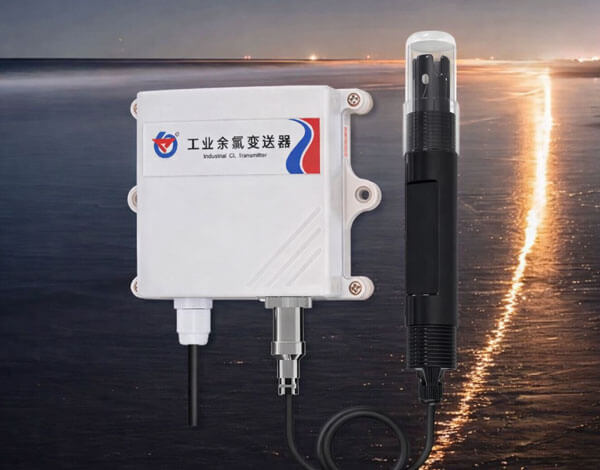
| Output signal | 4-20mA/0-5V/0-10V | RS485 |
|---|---|---|
| Power supply | DC 10~30V | DC 10~30V |
| Power consumption | 0.67W | 0.19W |
| Chlorine measurement range | 0-2 mg/L, 0-10 mg/L, 0-20 mg/L. Resolution: 0.01 mg/L | |
| Chlorine measurement error | 5% or 0.05 mg/L, whichever is greater. | |
| Repeatability error | ±0.05 mg/L | |
| Response time | <30s | |
| Working conditions | -20℃~80℃, 0%RH~95%RH (non-condensing) | |
| Electrode usage conditions | Temperature: 0~50℃, pH: 4-9, Pressure: ≤0.6MPa, Flow rate: 30~60L/h (for flow channel installation) | |
| Electrode wire length | default 5m (10m, 15m, 20m can be customized) | |
| Electrode life cycle | 1 year | |
Advantages
Diversified functions
The chlorine meter not only monitors the concentration of chloride ions, installed a built-in temperature sensor, which can automatically compensate for temperature.
High precision
This residual chlorine sensor has high sensitivity, and the internal circuit is designed with anti-interference, which can accurately measure the residual chlorine value in the solution.
Simple maintenance
One-piece design, compact structure, no extra accessories and reagent filling, avoid the problem of disassembly, easy to maintain during use, just clean the appearance.
Long using life
The residual chlorine electrode is made of high-purity platinum, which is not easy to be damaged, and the overall waterproof shell is effectively anti-corrosion. We offer one year warranty.
Easy to install
The end of the housing is a standard 3/4 up and down mounting thread design for easy installation. The chlorine probe and bracket are fixed by thread, no need for other tools. Very easy to use.
Wide application
This chlorine meter is suitable for online monitoring of chlorine ion in medicine, environmental protection, tap water monitoring, drinking water, and industrial process water disinfection processes.
FAQs - Residual Chlorine Sensor
Why measure chloride ions in water?
Because tap water is often sterilized with CL2, there will be a lot of CL- in the water, and it is harmful to the human body, and CL2 is a toxic substance, so the water we usually drink needs to be stored for a period of time, so that the CL- in the water is released to the In the air, this is good for the human body.
In what form does residual chlorine exist in water?
There are three forms of residual chlorine in water: total residual chlorine, free residual chlorine and combined residual chlorine.
Combined residual chlorine, also known as combined residual chlorine, refers to the compound of chlorine and ammonia in water.
Free residual chlorine, also known as free residual chlorine, refers to OC1+, HOCl, Cl2, etc. in water, which has fast sterilization speed and strong sterilization power, but disappears quickly.
Total residual chlorine is the sum of combined residual chlorine and free residual chlorine.
What is the warranty for this residual chlorine sensor?
Under normal circumstances, we provide you with a one-year warranty.
How to maintain the residual chlorine electrode?
- Chlorine electrodes generally do not require routine maintenance. If a clear malfunction occurs, do not open or attempt to repair the electrode yourself. Please contact us as soon as possible.
- After use, rinse the electrode tip with clean water and put the protective cap back on.
- During measurement, ensure that the tested liquid is flowing with a uniform flow rate and that there are no air bubbles attached to the measuring surface.
- If dirt is present on the electrode membrane, sensitivity to mineral components will decrease and proper measurement may not be possible. Please ensure that the platinum ring area is clean.
- A properly functioning residual chlorine electrode should always have a clean and shiny platinum sensing ring. If the platinum ring becomes rough or covered with contaminants after measurement, clean it according to the following methods (for reference):
Inorganic contamination: Immerse the electrode in 0.1 mol/L dilute hydrochloric acid for 15 minutes, gently wipe the platinum ring with a cotton swab, then rinse with tap water.
Organic or oily contamination: Immerse the electrode in tap water with a small amount of detergent, such as dishwashing liquid, and thoroughly clean the sensing surface. Gently wipe the platinum ring with a cotton swab, then rinse with tap water. If an oxide film has formed on the platinum ring, gently polish the sensing surface with toothpaste or 1000 grit fine sandpaper, then rinse with tap water. The platinum ring is connected to glass, so please handle carefully during polishing. - The service life of the electrode is about one year. After aging, it should be replaced in time.
- Before locking the cable connector to the device connector, do not place the connector part into water.
How to calibrate residual chlorine meter?
- Zero calibration:
Place the chlorine probe in the air and perform zero point after the value is stable. - Slope calibration:
Place the chlorine probe in the flow cell flowing with the residual chlorine standard solution, and perform slope calibration after the value is stable. It is recommended to use 1-2 mg/L HClO standard solution. Regarding the preparation and determination of standard solutions, please refer to the determination of residual chlorine in the national standard. - Note: The chlorine meter has been calibrated before leaving the factory. Because the preparation of the standard solution requires a lot of personnel, non-professionals may not be able to do this work. Only when the value is determined to be inaccurate, it is recommended that the user calibrates by himself.
What are the working principles of residual chlorine sensors?
- Membrane covered polarographic (Clark type) sensor: It consists of a cathode, an anode, an electrolyte, and a gas permeable membrane covering the cathode. Residual chlorine in the sample diffuses through the membrane to the cathode. With an appropriate polarization voltage applied between the cathode and anode, residual chlorine is reduced at the cathode. These electrochemical reactions generate a current proportional to the chlorine concentration in the measured solution.
- Constant potential sensor: It forms a micro electrochemical cell measurement system composed of two platinum electrodes and one reference electrode. During measurement, a stable potential is maintained at the measuring electrode. Different components in the sample generate different currents at this potential, with good linearity between current intensity and concentration.
What are the applications of the chlorine meter?
- Drinking water treatment plants: Monitoring disinfectant residuals in finished water and distribution networks to ensure water safety while avoiding excessive chlorination that may cause odor and by products.
- Swimming pools: Maintaining effective disinfection concentration to protect swimmers’ health.
- Wastewater treatment plants: Ensuring that discharged water meets disinfection standards.
- Food and beverage processing water: Controlling the disinfection level of process water.
- Industrial circulating cooling water systems: Controlling microbial growth.
- Aquaculture: Managing the disinfection status of water bodies.
How to get the manual of chlorine meter?
In order to protect the patented technical parameters, please contact us for manual.
Related Blogs
Table of Contents Chlorine is a widely utilized chemical element, indispensable in global water treatment strategies due to its potent disinfection capabilities. Its effectiveness lies
Table of Contents A consistently balanced pool pH is essential for ensuring water quality, user safety, and equipment longevity. The pH value indicates the acidity
Table of Contents What do pH Mean in Water? The water pH is an important indicator of its acidity or alkalinity. pH (Potential of Hydrogen)
Table of Contents What is conductivity in water? Conductivity in water is the ability of water to conduct electricity. It is primarily related to the
What is dissolved oxygen? Dissolved oxygen (DO) refers to molecular oxygen dissolved in water. The unit is mg/L, which means how many milligrams oxygen in
Long-term rainfall and melting snow have raised water levels and flooded city roads, causing flooding. Frequent and extreme flooding is inevitable and endangers community safety.
Table of Contents Everyone knows that the choice of water quality sensors is very important. In water measurement, the ph sensor is one of the
Natural disasters such as floods and heavy rains pose threats to lives and property around the world. Without a proper flood monitoring system, these natural
Table of Contents The key to the smart industry lies in the collection of data and information. Sensors are the nerve endings of the smart
Table of Contents Water is the source of life, integral to every aspect of human production and daily living. In many scenarios, ensuring health and
Table of Contents What is a water level sensor? A water level sensor is a device designed to measure the height of a liquid, typically