



Table of Contents What is ozone? Ozone gas is a trace gas in the atmosphere. At room temperature and pressure, ozone is colorless at
Ozone Sensor
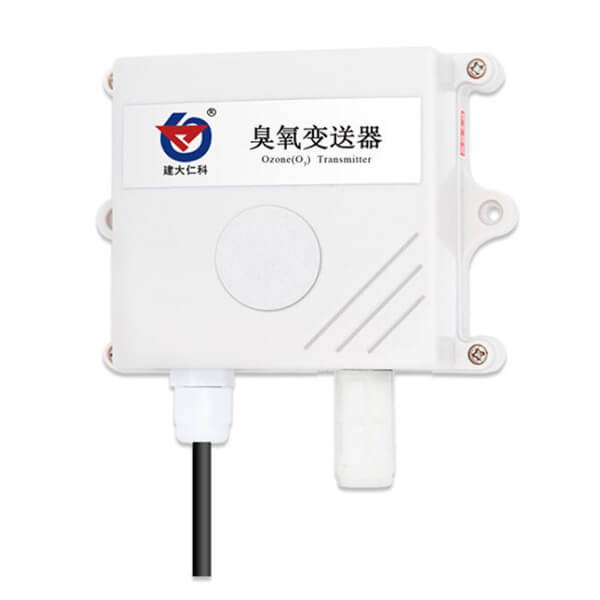
RS-O3-*-2-*-T ozone sensor is a device suitable for long-term monitoring of ozone gas content in fixed places. Install multiple devices in different locations, and the data can be uploaded to the free cloud platform provided by our company to realize remote unified monitoring. Our ozone sensor has a simple layout, easy installation, and low price.
- Model: RS-O3-*-2-*-T
- MOQ: 1 PCS
- Delivery date: within 24 hours
- Price: $33.6~49
About - Renke Ozone Sensors
Ozone (O3) is one of six criteria air pollutants identified by the US EPA and is monitored extensively around the world by regulatory agencies. Many processes using ozone are subject to strict gas detection regulations. Too much ozone at ground level can lead to respiratory issues, lung illnesses and hospitalization, so monitoring the air we breathe is vital.
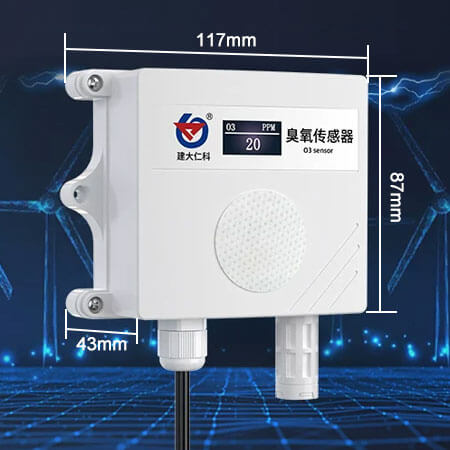
Wall-mounted ozone sensor features
This wall-mounted ozone sensor adopts an electrochemical measurement principle, offering fast response and high sensitivity. It is equipped with a high-precision gas detection module and a high-performance signal acquisition circuit, enabling accurate measurement of ozone concentrations at the ppm level with stable signals and high accuracy. It provides multiple output options, including RS485, 4-20 mA, 0-5 V, and 0-10 V. The RS485 version can also integrate temperature and humidity measurement. The enclosure features a high protection rating, allowing reliable operation in harsh environmental conditions. This ozone sensor measuring range has 0-10ppm and 0-100ppm two types. We provide customized services for other special needs of users.
Wall-mounted ozone sensor parameters
| Output signal | RS485 | 0-5V/0-10V/4-20mA |
|---|---|---|
| Power supply | 10~30V DC | 10~30V DC |
| Power Consumption | 0.1W | 0.12W |
| O3 range | 0~10.00ppm/0~100ppm | 0~10.00ppm/0~100ppm |
| Resolution | 0.01ppm (0~10ppm), 0.1ppm (0~100ppm) | 0.01ppm (0~10ppm), 0.1ppm (0~100ppm) |
| Accuracy | 0-10ppm: ±6%FS (@5ppm, 25°C, 50%RH), 0-100ppm: ±6%FS (@50ppm, 25°C, 50%RH) | 0-10ppm: ±6%FS (@5ppm, 25°C, 50%RH), 0-100ppm: ±6%FS (@50ppm, 25°C, 50%RH) |
| Working environment | -10℃~55℃, 15%RH-90%RH (no condensation) | -10℃~55℃, 15%RH-90%RH (no condensation) |
| Working pressure | 91~111kPa | 91~111kPa |
| Data update | 1s | 1s |
| Repeatability | ≤2% | ≤2% |
| Stability | ≤7% signal value/year | ≤7% signal value/year |
| Response time | ≤180s | ≤180s |
| Preheating time | ≥5min | ≥5min |
| Zero drift | ±1%FS | ±1%FS |
Working principle of electrochemical ozone sensor: An electrochemical ozone sensor mainly consists of a working electrode, counter electrode, reference electrode, electrolyte, and signal processing circuit. A stable potential is maintained between the working electrode and the reference electrode. When ozone in the air diffuses into the sensor, a reduction reaction occurs at the surface of the working electrode while an oxidation reaction takes place at the counter electrode, generating a small electrical current. The magnitude of this current is directly proportional to the ozone concentration. The sensor’s internal circuitry amplifies, processes, and calculates the current signal, ultimately converting it into a corresponding ozone concentration reading.
Duct-mounted ozone sensor features
This duct mounted ozone sensor adopts an electrochemical measurement principle, offering fast response and reliable detection of ozone concentration. It is specifically designed for pipeline ozone concentration monitoring, featuring easy installation and an anti-interference circuit design that can withstand strong electromagnetic disturbances on site, such as those generated by frequency converters. We offer multiple output options, including RS485, 4-20 mA, 0-5 V, and 0-10 V. For convenient on-site monitoring, an OLED display version is also available. The ducted ozone sensor is widely used in industrial process control, water treatment disinfection, and ventilation system safety monitoring.
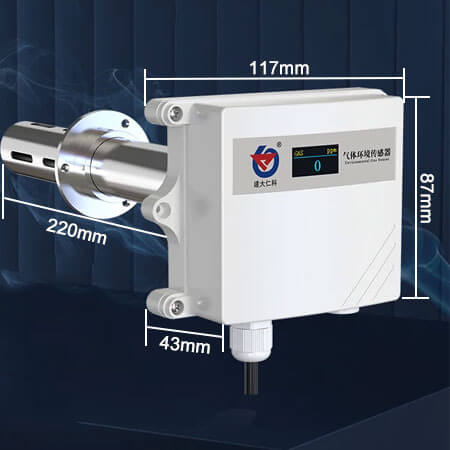
Duct-mounted ozone sensor parameters
| Output signal | RS485 | 4-20mA/0-5V/0-10V |
|---|---|---|
| Power supply | 10~30V DC | 10~30V DC |
| Average power consumption | 0.1W | 0.12W |
| Operating environment | -10℃~55℃, 15%RH~90%RH (non-condensing) | -10℃~55℃, 15%RH~90%RH (non-condensing) |
| Measuring range | 0~10ppm/0~100ppm | 0~10ppm/0~100ppm |
| Resolution | 0~10ppm: 0.01ppm, 0~100ppm: 0.1ppm | 0~10ppm: 0.01ppm, 0~100ppm: 0.1ppm |
| Accuracy | 0~10ppm: ±6%FS (@5ppm, 25℃, 50%RH); 0~100ppm: ±6%FS (@50ppm, 25℃, 50%RH) | 0~10ppm: ±6%FS (@5ppm, 25℃, 50%RH); 0~100ppm: ±6%FS (@50ppm, 25℃, 50%RH) |
| Operating pressure | 91~111kPa | 91~111kPa |
| Data update time | 1s | 1s |
| Repeatability | ≤2% | ≤2% |
| Stability | ≤7% signal value/year | ≤7% signal value/year |
| Response time | ≤35s | ≤35s |
| Warm-up time | ≥5min | ≥5min |
| Zero drift | ±1%FS | ±1%FS |
Other ozone monitoring devices
FAQs - Ozone Sensor
Why do we need to detect ozone?
Ozone is a highly reactive substance with strong oxidizing properties. When present in its free state, it can effectively kill microorganisms and provide powerful disinfection capabilities. As a result, ozone is widely used in drinking water treatment, tableware sterilization, indoor air purification, fruit and vegetable preservation, and medical applications.
However, excessive ozone concentrations can pose significant risks to human health. Therefore, the monitoring and control of ozone levels have become important aspects of environmental protection and occupational safety, making ozone detection one of the key environmental monitoring parameters.
What is an O3 sensor?
An O3 sensor is an electronic device used to monitor the concentration of ozone in the air. The built-in ozone detection module converts the ozone concentration into an electrical signal and outputs it.
Why is ozone sensor stability important?
Stability refers to a sensor’s ability to maintain a consistent response throughout its service life. It is primarily determined by two factors: zero drift and span drift.
Zero drift refers to changes in the sensor output over time when no ozone is present. Span drift refers to changes in the sensor output when it is continuously exposed to ozone, typically appearing as a gradual decrease in the output signal during operation.
A stable ozone sensor ensures accurate and reliable measurements over long periods, reducing the need for frequent recalibration and maintenance. Ideally, under continuous operating conditions, a sensor should exhibit an annual zero drift of less than 10%.
What does the sensitivity of an ozone gas sensor mean?
Sensitivity refers to the ratio between the change in the sensor’s output signal and the corresponding change in the measured input concentration. It mainly depends on the sensing technology used in the sensor structure. Most gas sensors are designed based on biochemical, electrochemical, physical, or optical principles. The first consideration is to select a sensing technology that has sufficient sensitivity to detect the target gas at levels related to the threshold limit value (TLV) or a percentage of the lower explosive limit (LEL).
Why should high sensitivity and high selectivity ozone gas sensors be chosen?
Selectivity is also referred to as cross sensitivity. It can be determined by measuring the sensor response generated by a certain concentration of an interfering gas and comparing it to the response produced by an equivalent concentration of ozone. This characteristic is very important in applications involving the detection of multiple gases, as cross sensitivity can reduce measurement repeatability and reliability. An ideal sensor should therefore have both high sensitivity and high selectivity.
What types of ozone sensors are there?
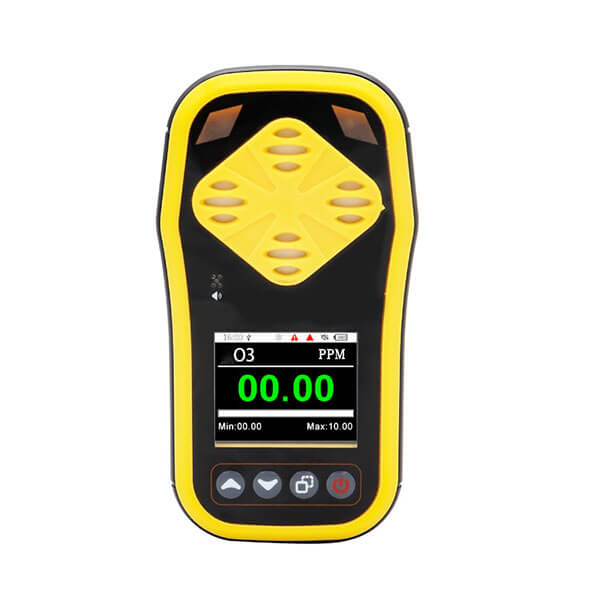
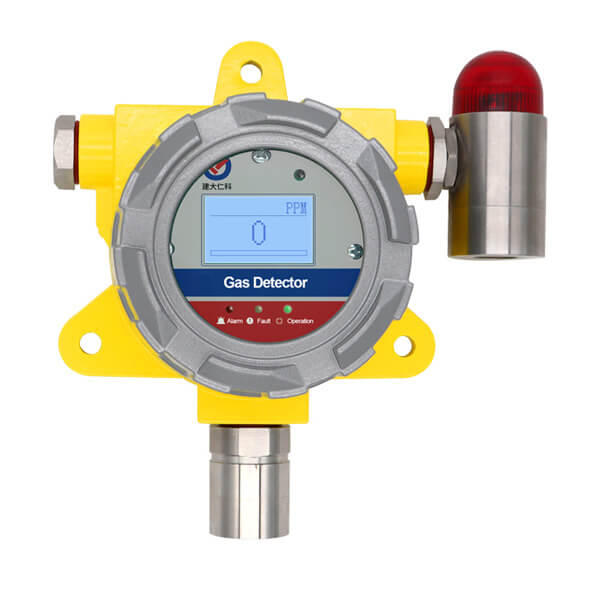
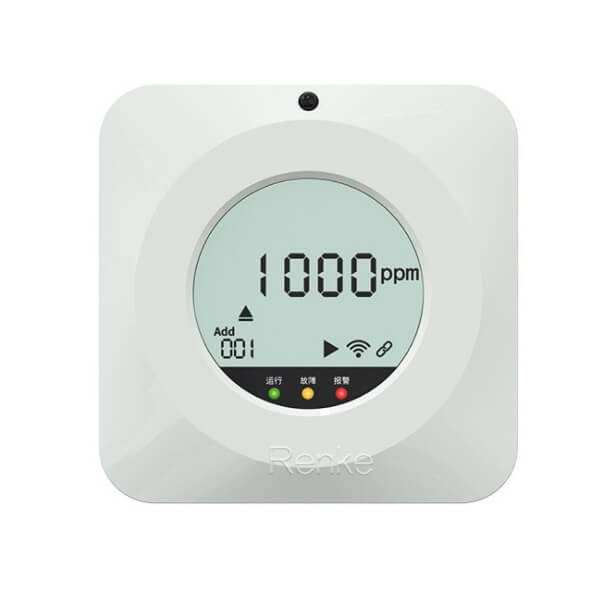
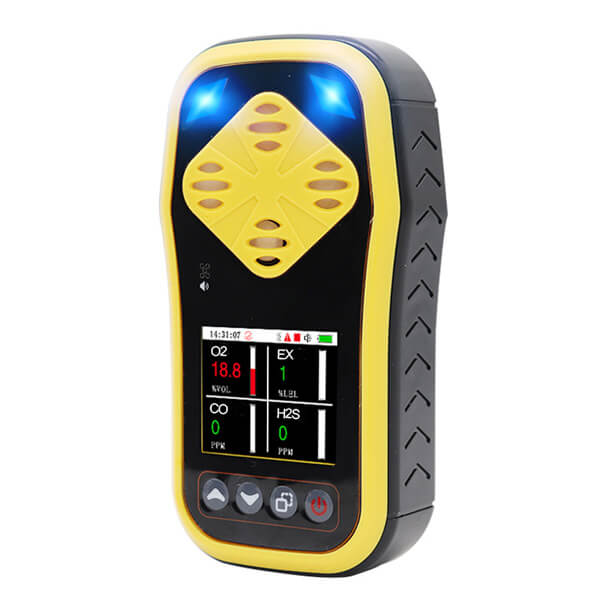
According to different places of use, our company provides four kinds of ozone sensors: home ozone monitor, portable ozone detector, duct type ozone detector, and fixed ozone detector.
Why choose the Renke ozone sensor?
Renke is a large-scale sensor manufacturer integrating R&D, production, and sales, with 15 years of production experience. The industrial gas sensors produced are sold at home and abroad and have many agents. We have advanced technology and an R & D team, can provide users with customized services.
Does this O3 sensor need to be calibrated?
Our O3 sensor has been calibrated before leaving the factory and can be used directly after the wiring is completed, without the customer’s secondary calibration.
How to obtain the ozone sensor manual?
To protect the patented technical parameters, please contact us for a manual.
Popular Gas Sensors
Related Blogs
Table of Contents Carbon monoxide is a colorless and odorless toxic gas at room temperature. People cannot perceive its presence through smell. Therefore, carbon
Table of Contents Biologists estimate that the human nose can distinguish on the order of ten thousand odor types, while dogs can identify hundreds
Why is a gas detector necessary? In the industrial production process, the leakage of flammable, toxic and harmful gases often occurs, which will cause
Table of Contents What is IoT? IoT is the “Internet of things“. It is an extended and expanded network based on the Internet. It
Monitoring of toxic and harmful gases such as formaldehyde and carbon monoxide in the home environment After the renovation of many new houses, more
Gas sensors application in a wide range. Mainly used to detect the concentration of gas, such as carbon dioxide, oxygen, nitrogen, argon, etc. In