Environment Monitoring Sensors Manufacturer

PAR Sensor

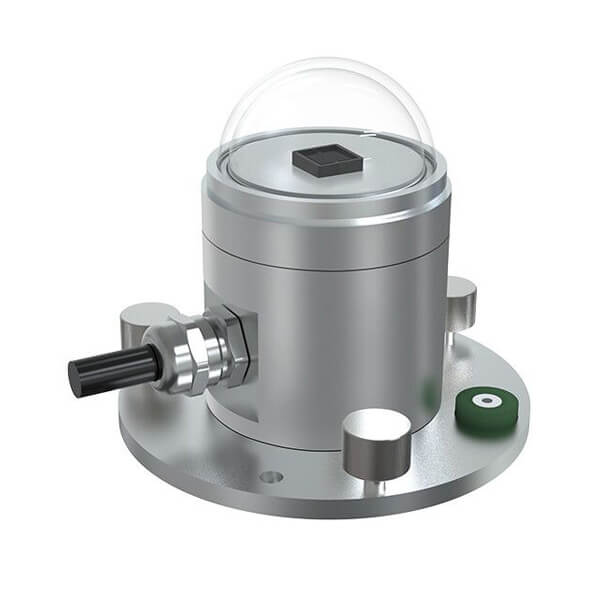
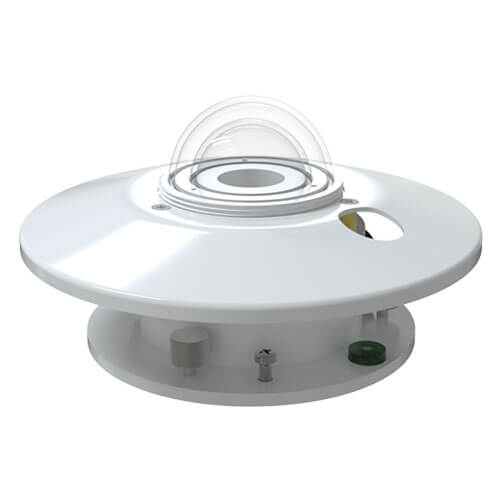
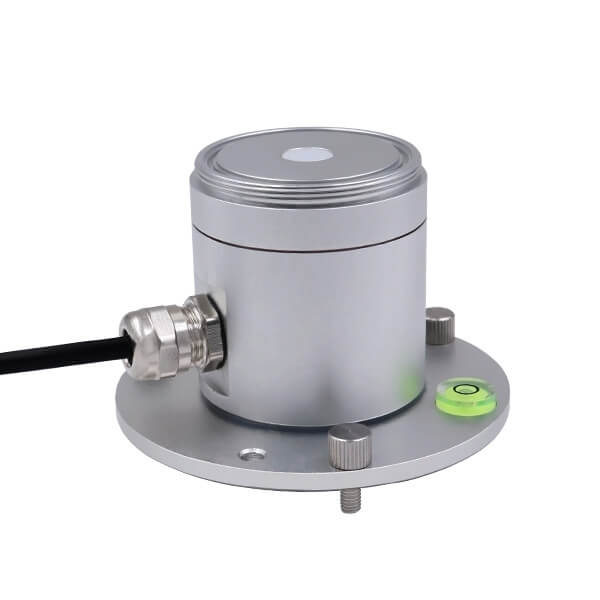
Photosynthetically active radiation sensor is designed to measure light intensity at frequencies associated with photosynthesis. This par sensor has a measurement range of 0~2500μmol/m²·s and a wavelength range of 400~700nm. All aluminum shell material, good waterproof, can be used outdoor for long-term monitoring. Provide you with RS485/0-5V/0-10V/4-20mA and other signal output methods.

  • Model: RS-GH-*-AL-EX
  • MOQ: 1 PCS
  • Delivery date: within 24 hours
  • Price: $50

Overview - PAR Sensor

This par sensor can be used alone for outdoor monitoring of radiation driving photosynthesis, or it can be used with a fixed weather station. Get accurate and cost-effective measurements of photosynthetically active radiation (PAR) from all light sources used to grow plants.

par meter

PAR sensor features

The PAR (photosynthetically active radiation) sensor adopts the principle of photoelectric induction. The par sensor working principle: when there is light, a voltage signal proportional to the intensity of the incident radiation is generated, and its sensitivity is proportional to the cosine of the direct angle of the incident light. This par sensor uses high-precision photoelectric sensing elements, with high absorption in the 400-700nm spectral range and good stability. The shell adopts special treatment to reduce dust adsorption and effectively prevent the external environment from damaging the internal components.

PAR sensor parameters

Power supply7V~30V DC (0-10V only accept 24V DC power)
Output signalRS485/4~20mA/0-5V/0-10V
Power consumption485 output: 0.06W, 4~20mA/0~5V/0~10V: 0.7W
Working temperature-25°C~60°C
Response spectrum 400nm~700nm
Measuring range0~2500μmol/㎡·s
Resolution1μmol/㎡·s
Accuracy±5%(1000umol/㎡·s, @550nm,60%RH,25℃)
Response time0.1s
Linearity≤±1%
Annual stability≤±2%
Cable length60cm (customizable)

Why choose us?

High accuracy

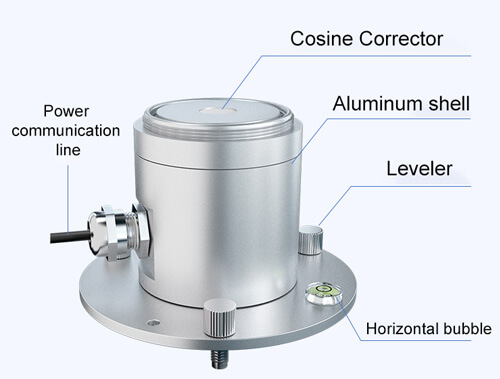
The built-in sensor adopts high-precision photoelectric sensing element, which has high spectral responsivity and sensitive response to the spectrum of 400~700nm. A high-quality cosine corrector is used to ensure a standard cosine response, which greatly reduces the measurement error.

Long using life

The overall housing of the Renke PAR sensor is made of a special aluminum alloy that will not accumulate dust and rain. This keeps the sensor clean and minimizes errors caused by dust blocking the radiation path. It can also work normally in harsh environments.

Remote monitoring

The par sensor can be connected to the customer’s own data device or use the free cloud platform we provide. Easily access data remotely, so you can view data through computer/APP anytime, anywhere. Accurate indoor/outdoor PAR measurement.

The protection level of this photosynthetically active radiation sensor can reach IP67, which can ensure that the equipment will not be immersed in water for 30 minutes at a depth of less than 1m without water ingress. It is widely used in the research of meteorology, agriculture, air pollution, and other fields. If you need more information, please contact us.

FAQs - PAR Sensor

Here are some frequently asked questions about photosynthetically active radiation sensors, Hope they can help you.

What is photosynthetically active radiation?

The spectral components of solar radiation that are effective for plant photosynthesis are called photosynthetically active radiation, with a wavelength range of 380-710 nanometers, which basically coincides with visible light. The proportion of photosynthetically active radiation in the direct solar radiation increases with the increase of the sun’s altitude angle, up to 45%. In the scattered radiation, the proportion of photosynthetically active radiation can reach as much as 60~70%.

It is better to measure PAR and total shortwave radiation (PYR); however, PAR can be estimated from total shortwave radiation by using a physically-based model.

PAR directly influences the rate of photosynthesis. Higher PAR levels generally promote faster plant growth, while insufficient PAR can slow growth, reduce yields, and cause weak plant structures. It is a critical parameter in agriculture, horticulture, and controlled environment farming.

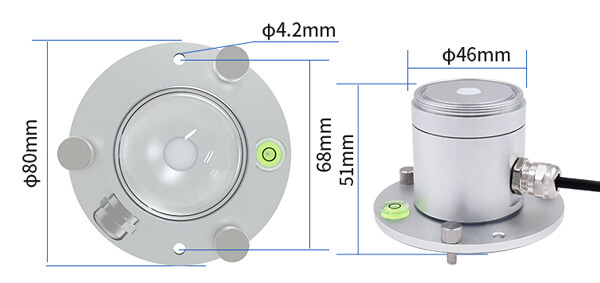
Renke PAR sensor size as below:

par sensor size

1. Secure the sensor to the mounting bracket using screws through the mounting holes on the sensor.
2. Make sure the device is parallel to the ground (adjust the hand screw and check the level of the bubble to determine whether it is parallel).
3. After installation, remove the protective cover.

Our photosynthetic radiation sensors have been calibrated before leaving the factory, and can be used directly without the need for secondary calibration by customers.

For the par sensor that has been used in a windy and sandy environment for a long time, you can regularly wipe the sensor housing with a soft damp cloth to avoid the accumulation of sand and dust. Periodically check for level and for loose screws.

1. Response spectrum range: 400-700nm.
2. All-aluminum housing, IP67 protection.
3. Built-in level and adjustment knob for easy on-site adjustment.
4. Multiple output signal options.
5. High-quality cosine corrector ensures standard cosine response.
6. Wide-voltage power supply: DC7-30V.

1. Applied to plant photosynthesis research, vegetation index research, etc.
2. Application in greenhouse
3. Application in agricultural production

Standard PAR sensors measure total photon flux within 400–700 nm but do not provide spectral distribution. To measure specific wavelengths (e.g., red/blue ratio), a spectroradiometer is required.

Lux measures light intensity as perceived by the human eye, which is sensitive mainly to green light. PAR measures photon flux in the spectrum plants use for photosynthesis. Lux readings are not a reliable substitute for PAR in plant growth applications.

Related Blogs

Photosynthetically Active Radiation (PAR)

Table of Contents What is photosynthetically active radiation? The spectral component of solar radiation that is effective for plant photosynthesis is called photosynthetically active
What is Modbus Protocol and its Types?

Table of Contents What is Modbus? Modbus is a serial communication protocol used for communication with Programmable Logic Controllers (PLCs). Because of its open

Environmental Sensors List and Used

The main purpose of environmental monitoring is to provide data on environmental quality and changing trends to ensure the safety of public life and

Agricultural Environment Monitoring System

Introduction of the agricultural production environment monitoring system: The agricultural production environment monitoring system is composed of greenhouse environment monitoring and park environment monitoring.

Update cookies preferences